Projects
Selected projects involving soil and environmental sensing, data analysis, machine learning, irrigation management, hydrology, and commercial applications of environmental monitoring technologies.
Cannabis Fertigation Based on Sensor Data
Project Description & Application
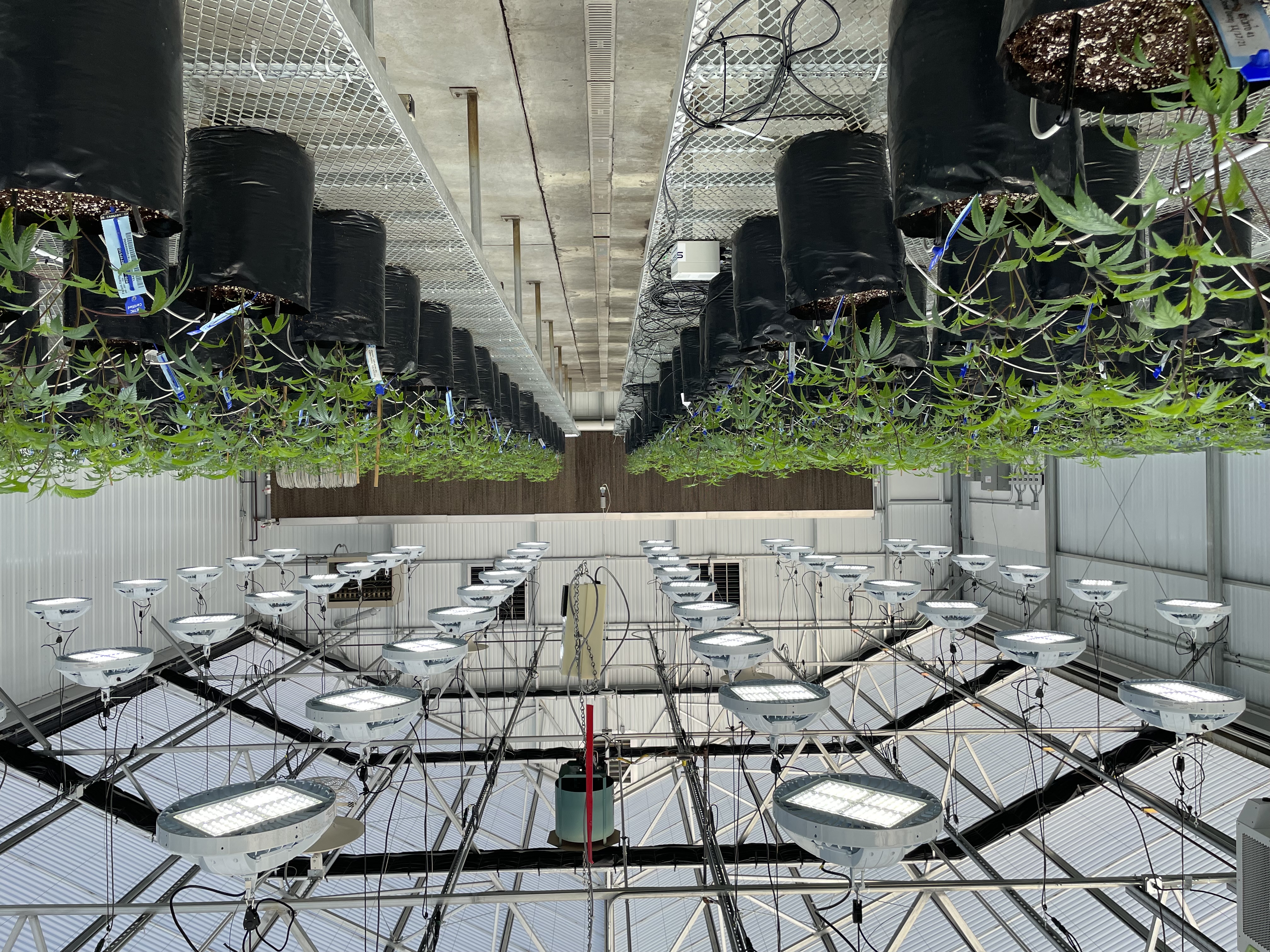
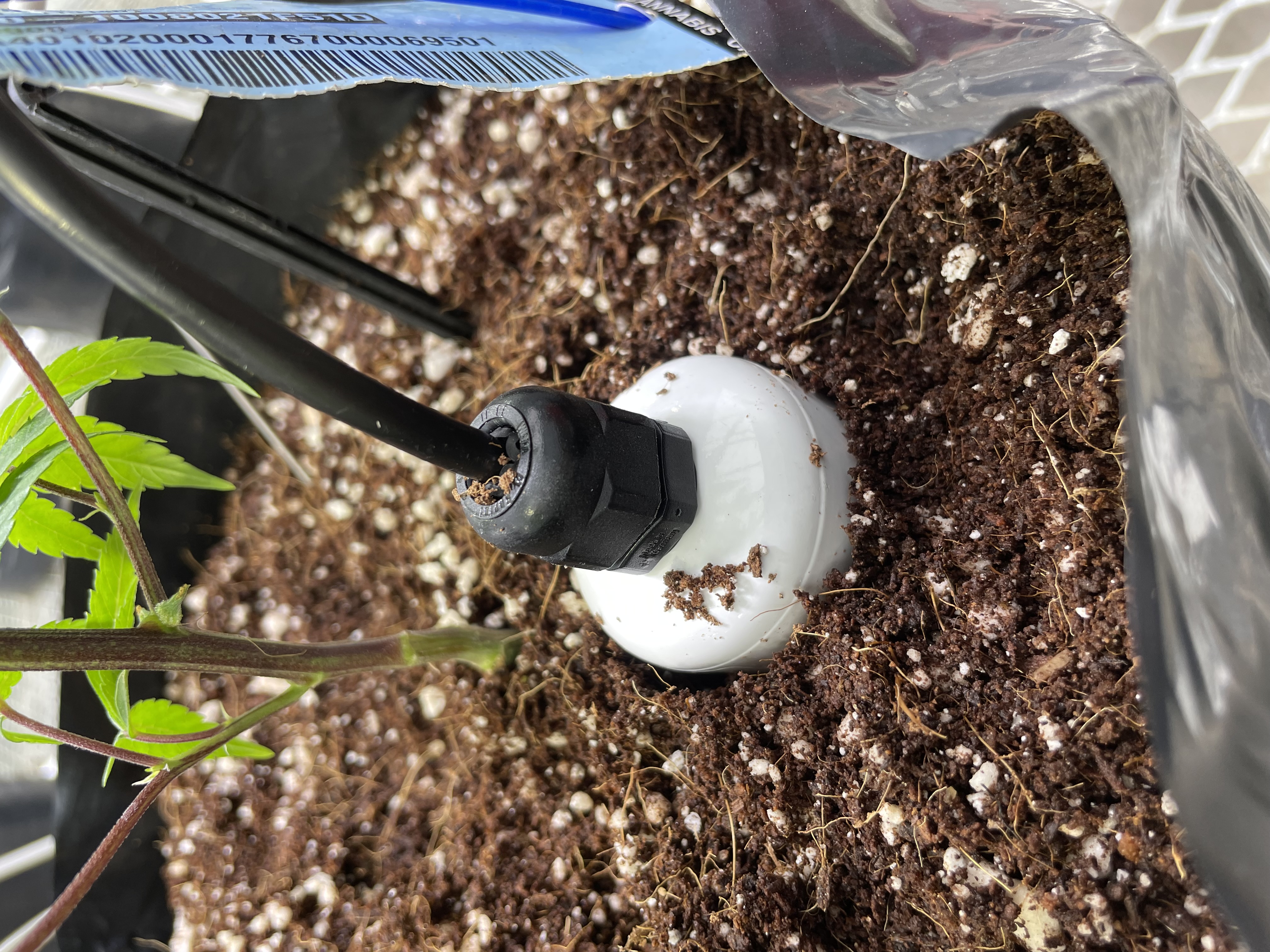
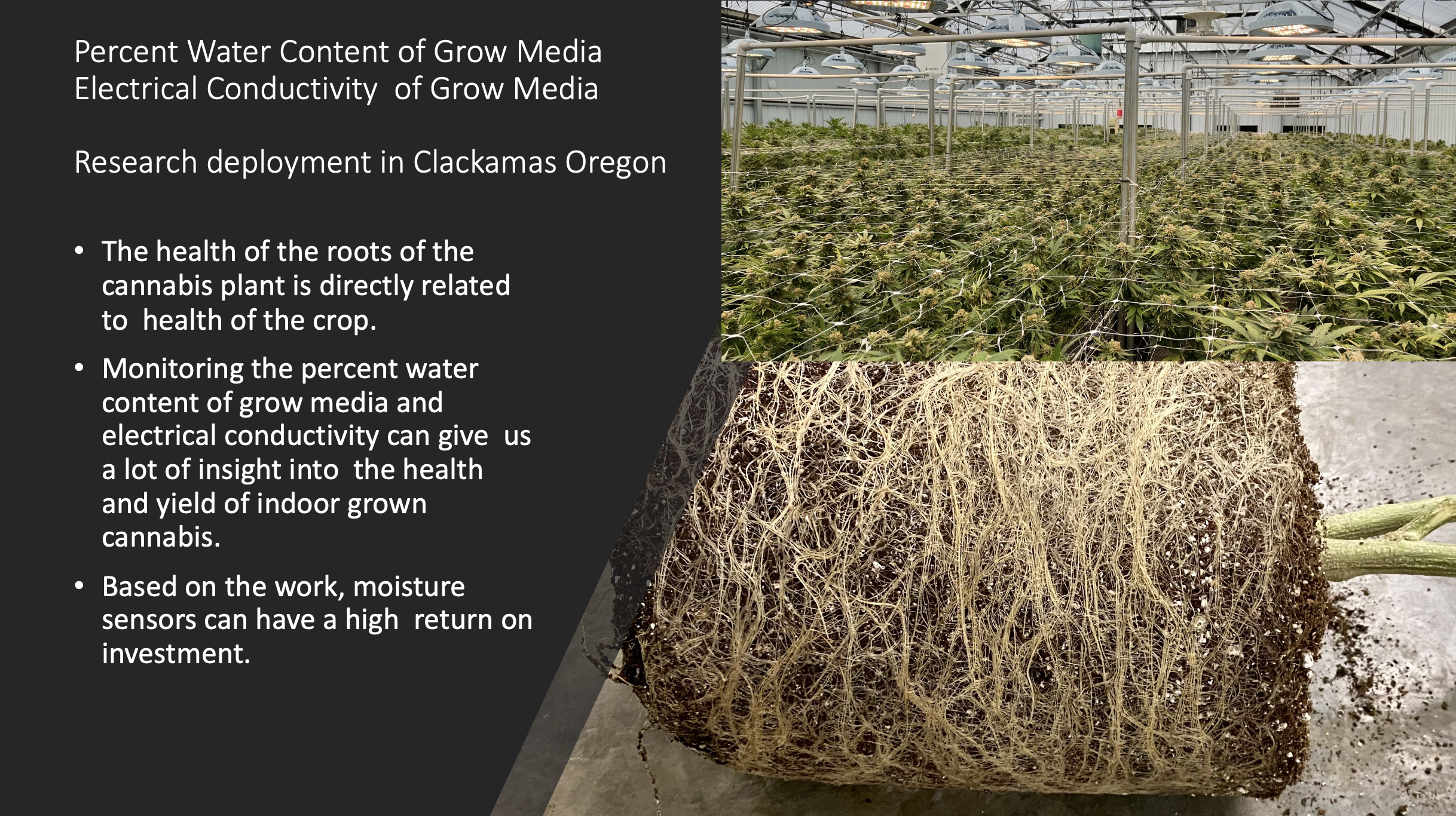
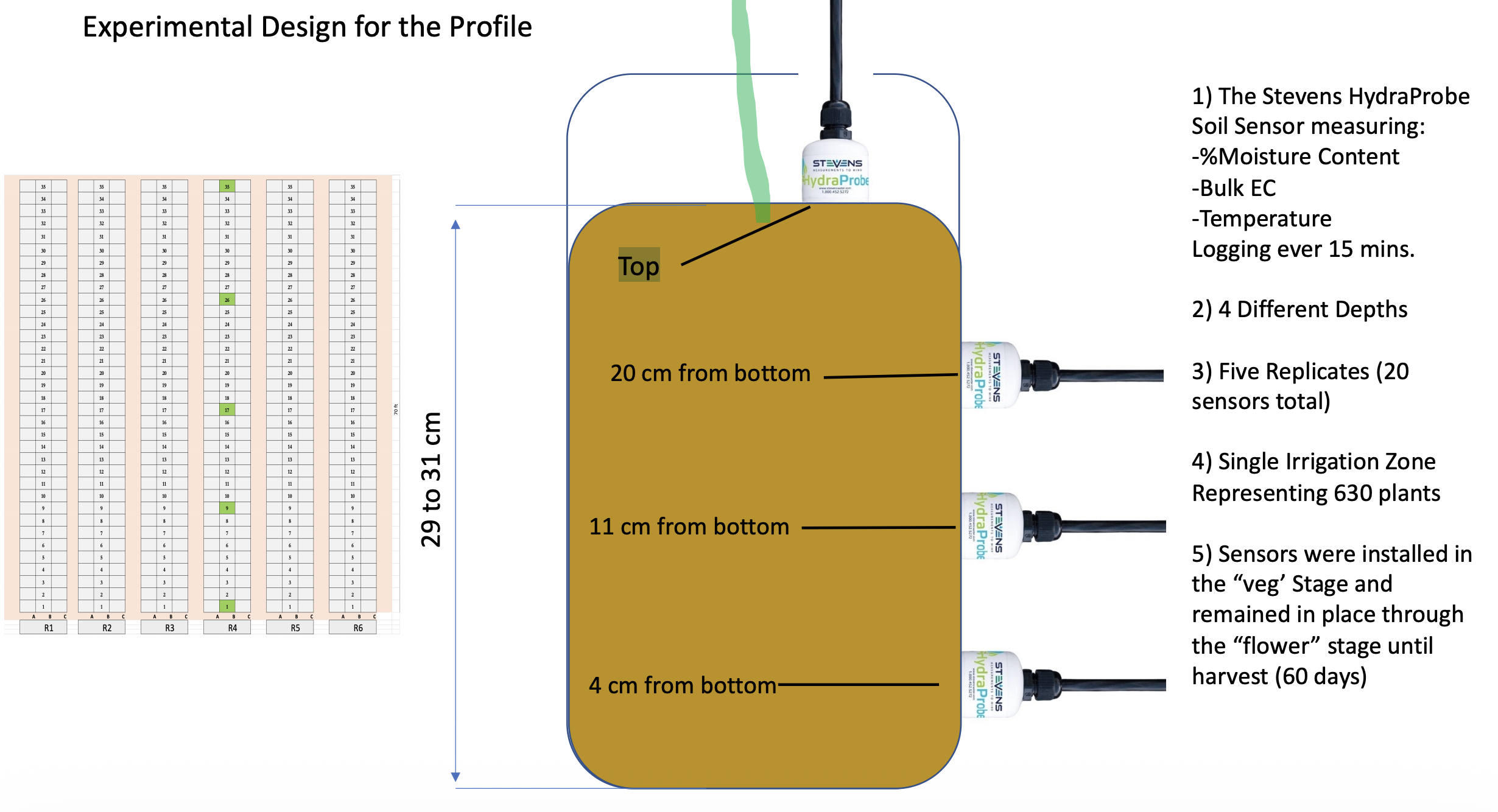
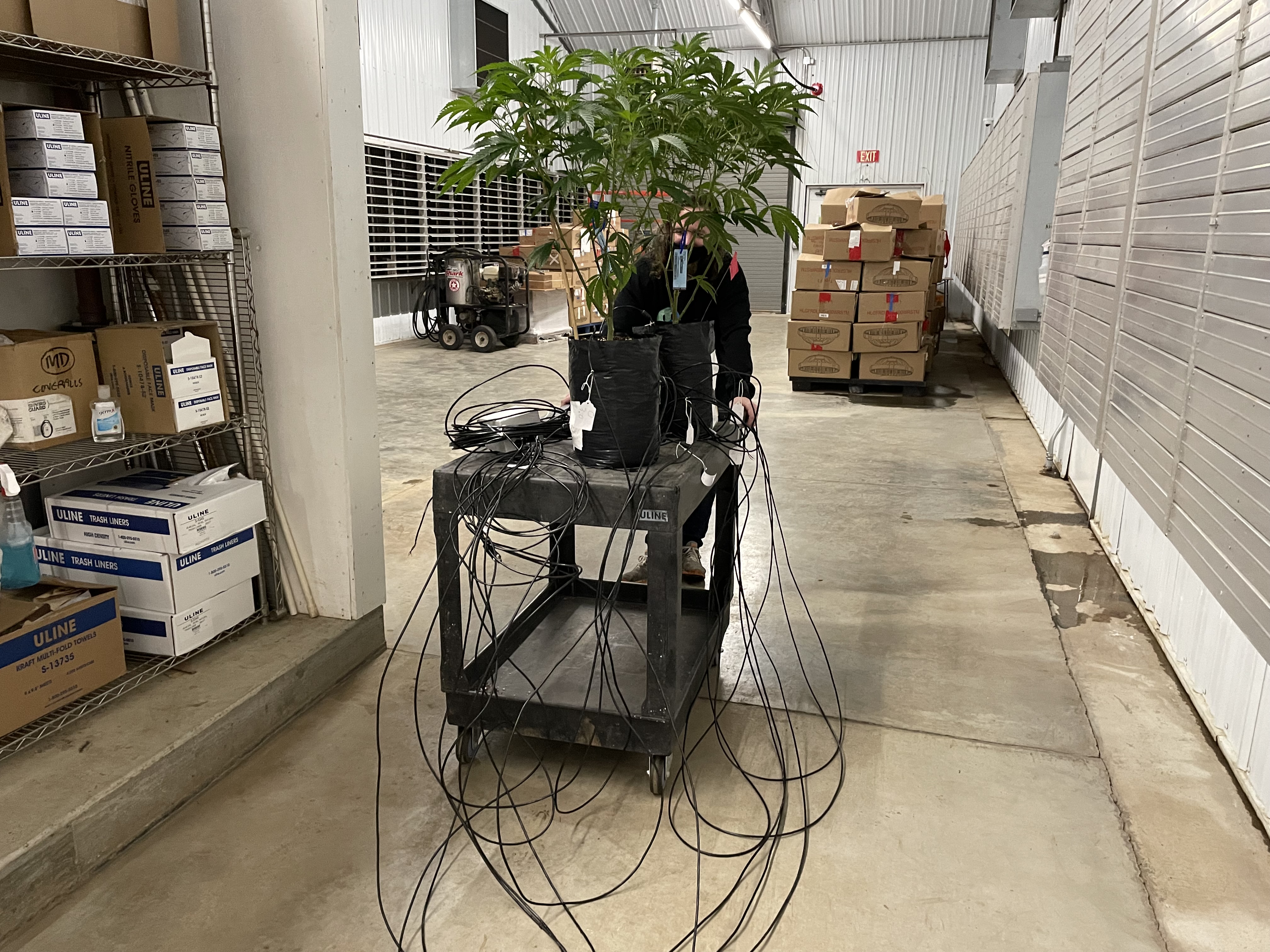
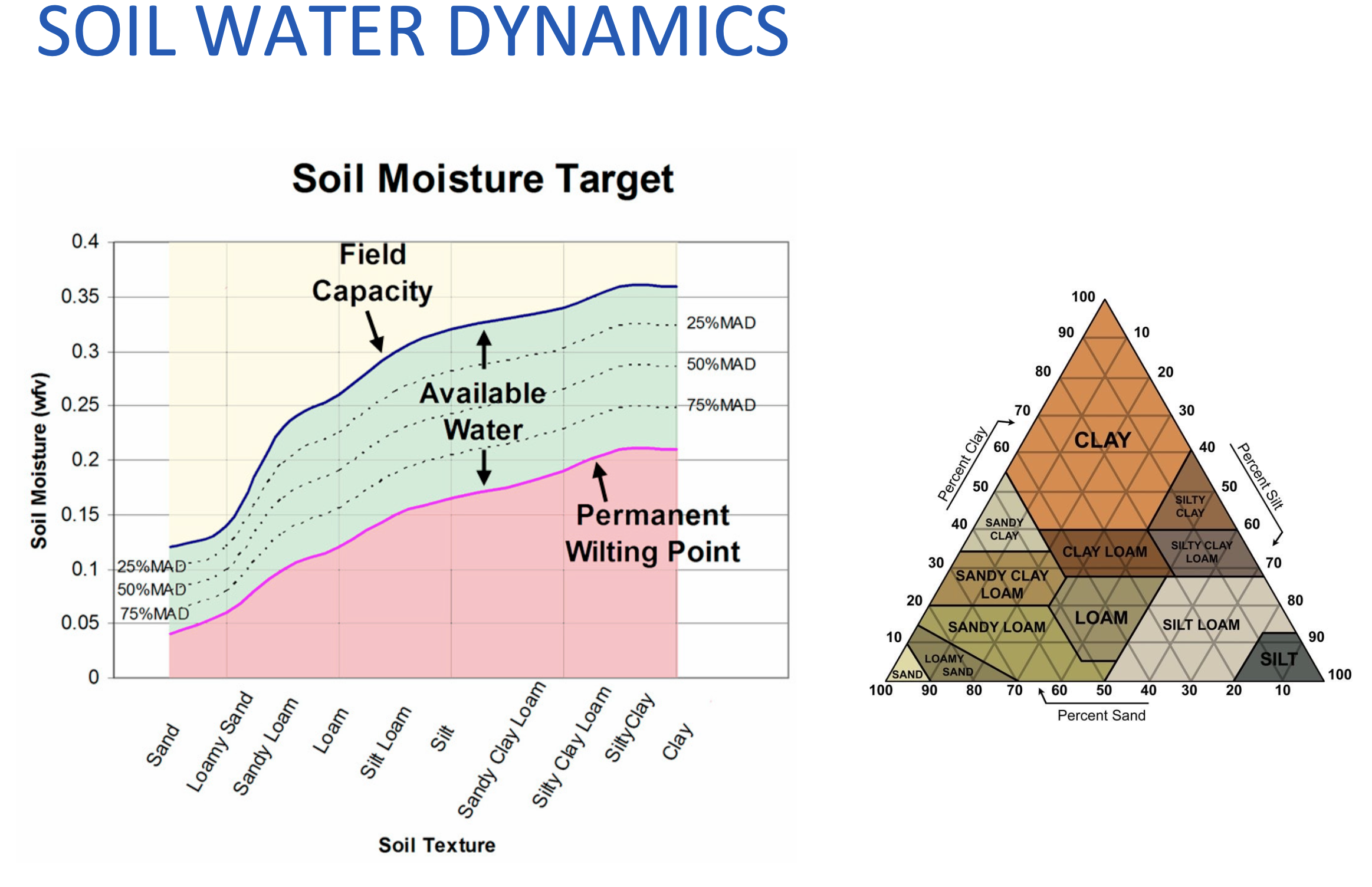
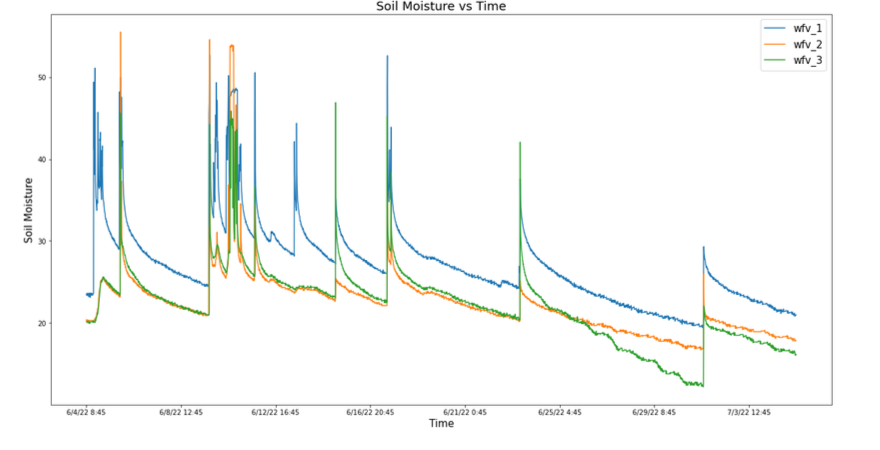
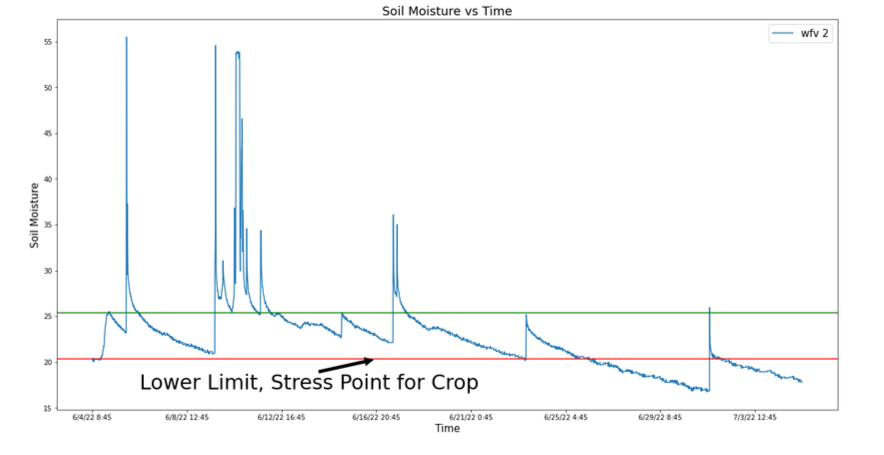
Developed a sensor-based approach to irrigation and fertigation management for cannabis cultivation. The project examined the use of sensor data to manage water availability and controlled water stress during the final growth stage, where water management may influence crop value and THC content. The work also examined water distribution within small growing containers. The approach has potential applications beyond cannabis, including flowers, ornamentals, and greenhouse crops.
Commercial Application
Sales of monitoring systems that can help growers improve crop yield and crop value through data-driven water management.
Project Documents
Photo Gallery
Improved Water Supply Forecasts Using Soil Moisture Data
Project Description & Application
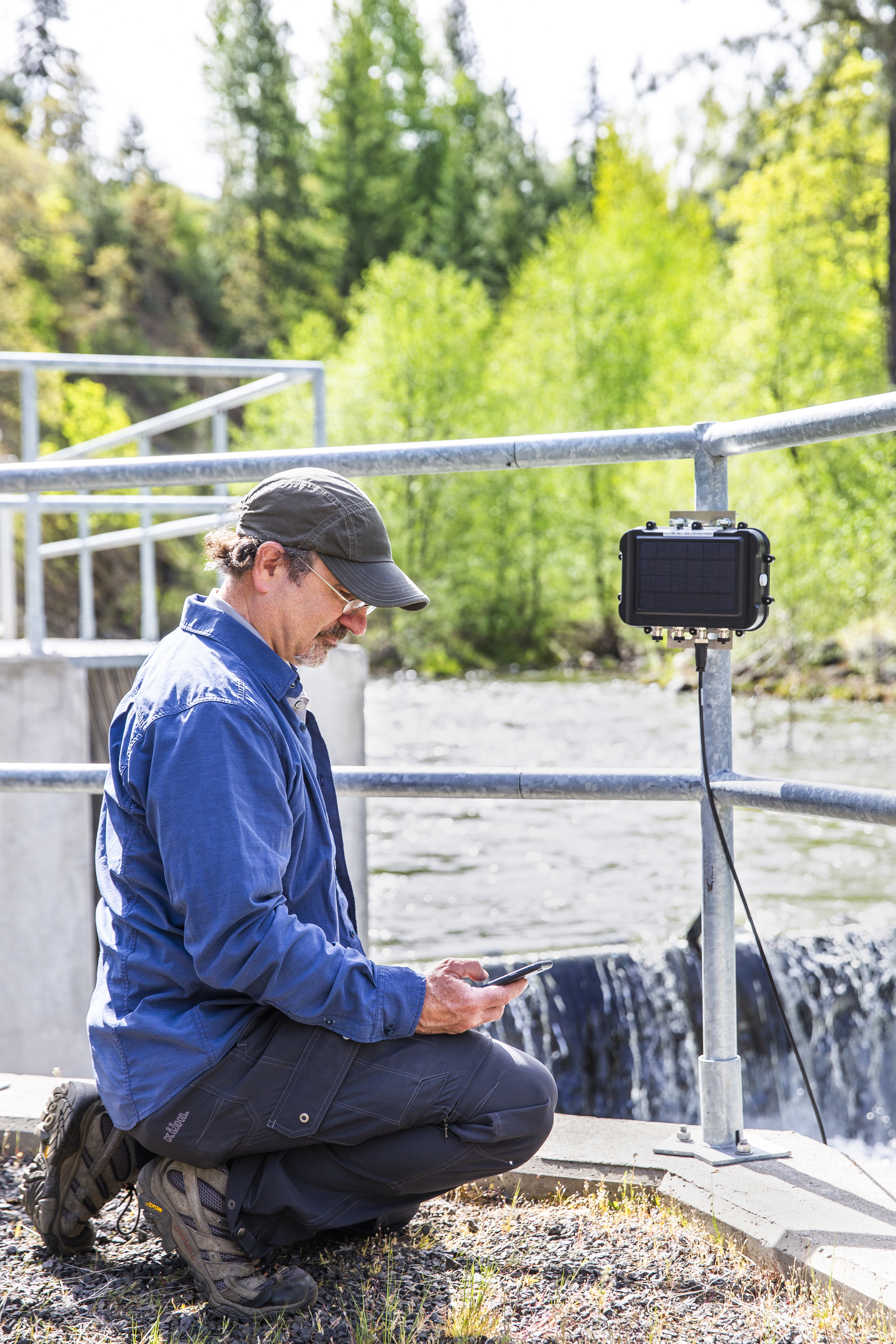
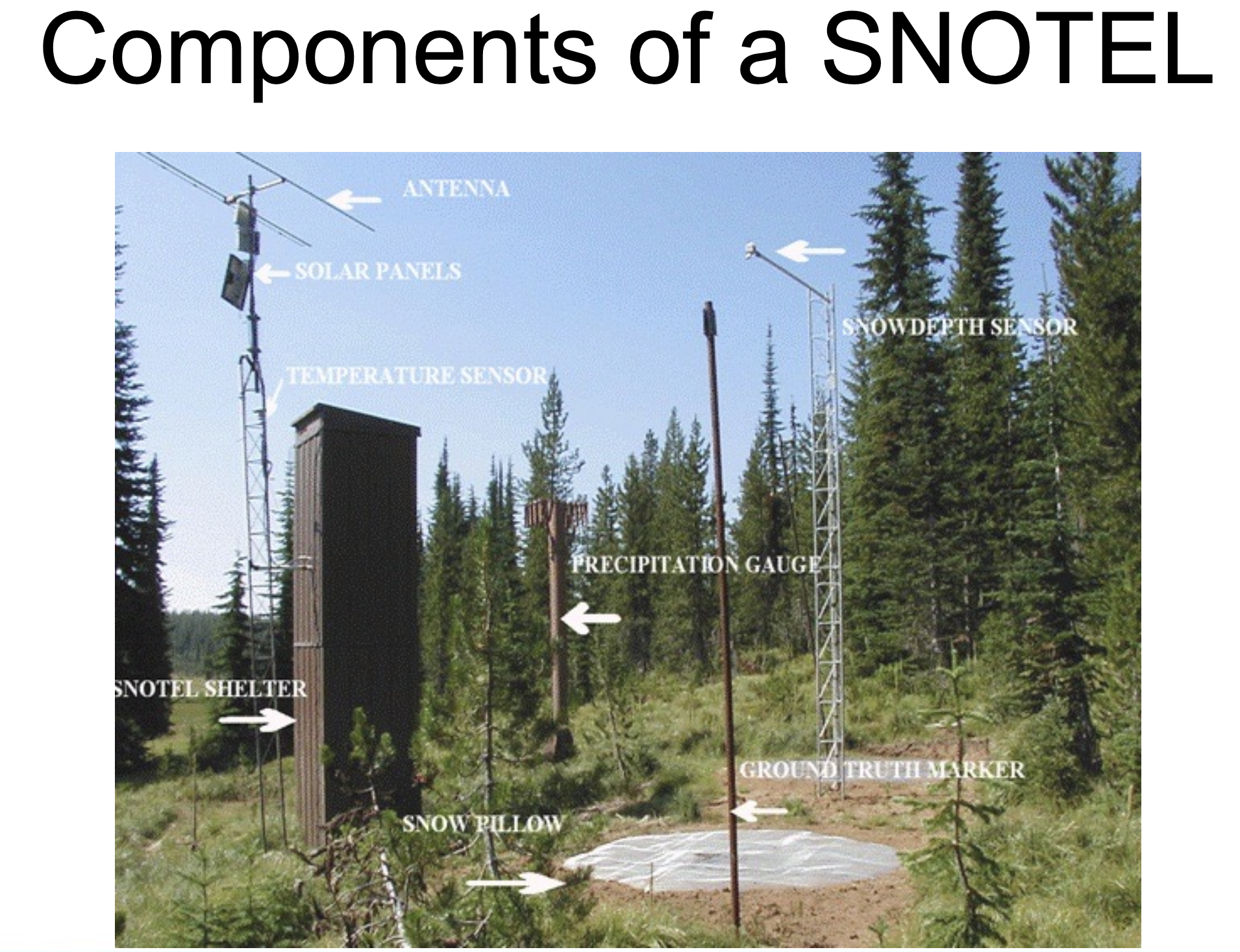
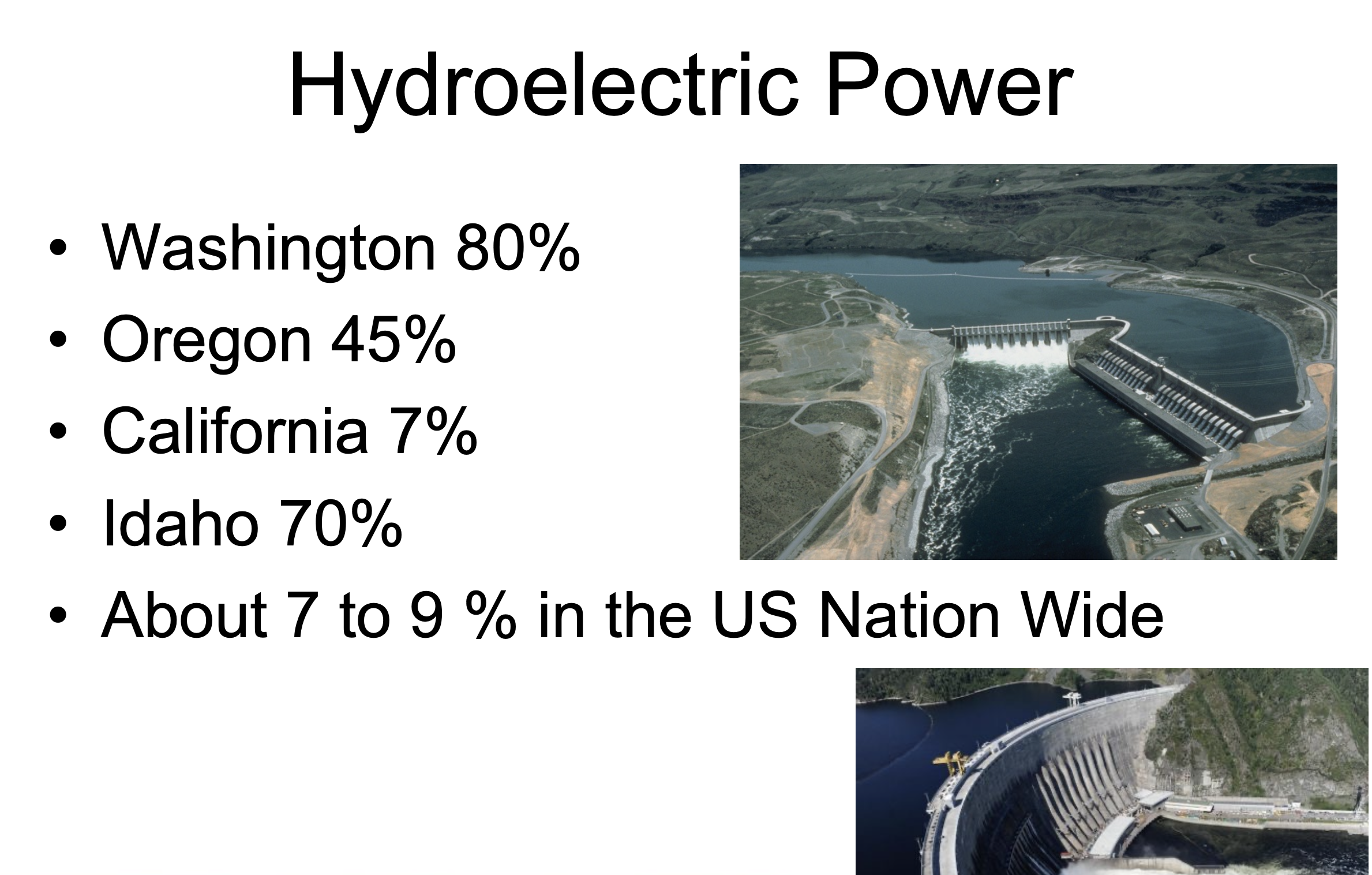
Investigated the use of soil moisture measurements, soil properties, and SNOTEL data to improve streamflow and water supply forecasts. A machine-learning model was developed to evaluate the relationship between soil conditions and water availability. The work has applications in water-resource management and hydroelectric power planning.
Commercial Application
Sales of soil sensors and monitoring stations to support improved river-flow forecasting and hydropower resource management.
Project Documents
Photo Gallery
Soil Physics Workshop
Project Description & Application
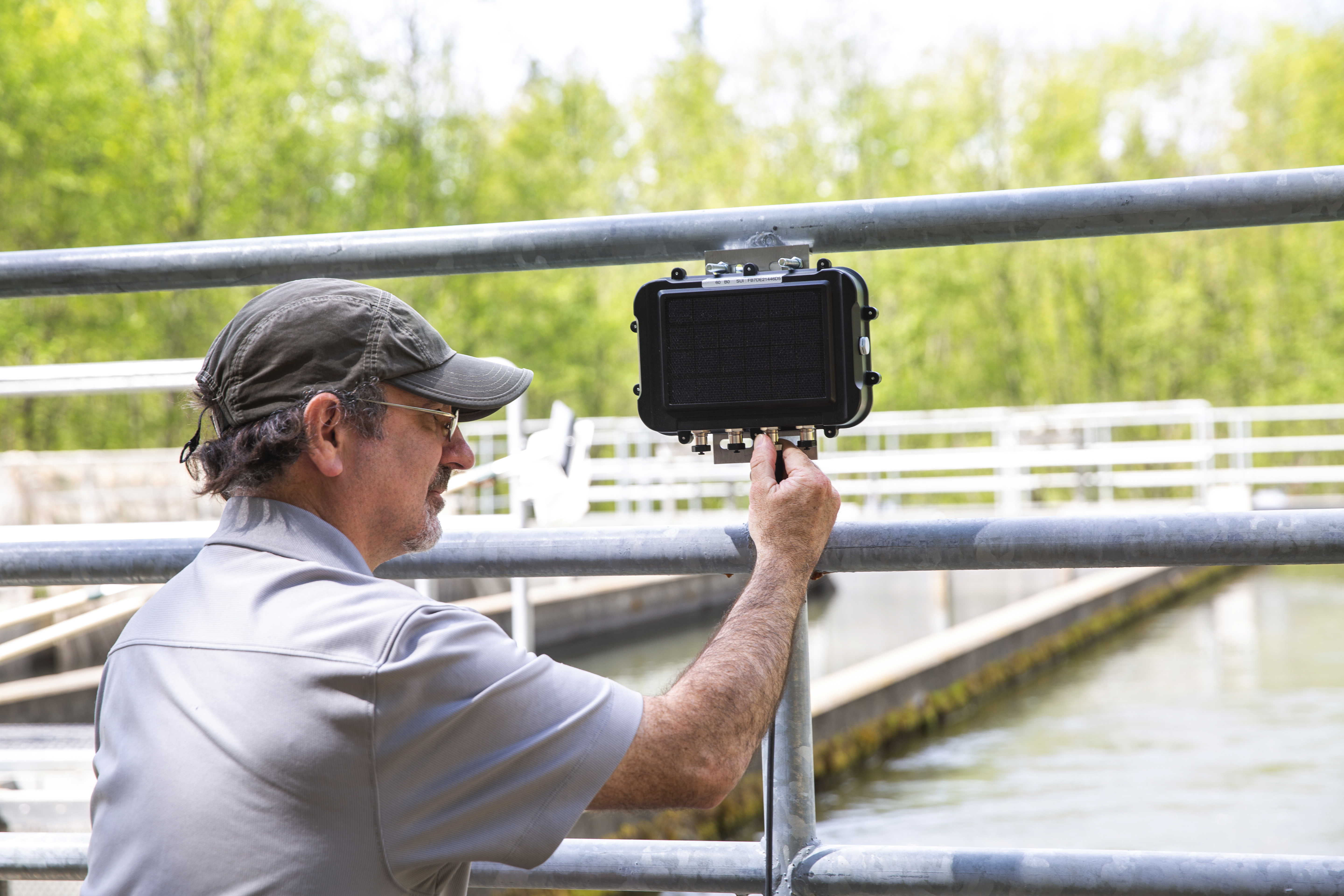
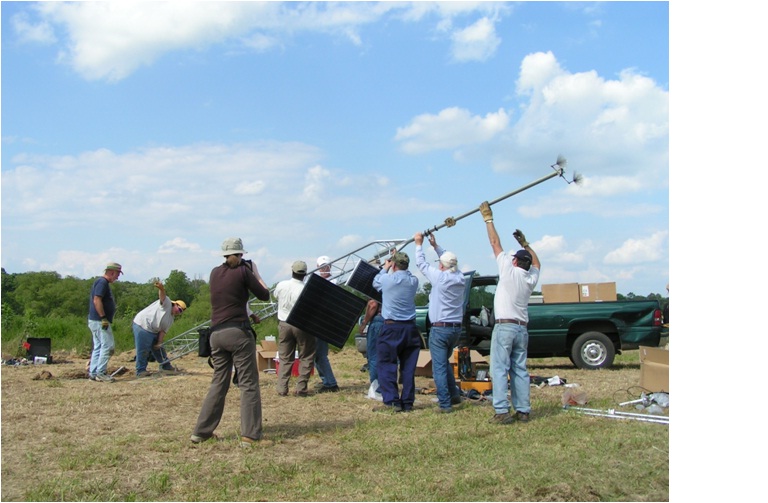
Developed and delivered a four-hour soil physics workshop covering soil properties, soil-water movement, data collection, and interpretation of soil sensor measurements. The workshop has been presented to customers, international distributors, and other stakeholders in multiple countries.
Commercial Application
Supports sales and customer relationships by providing technical information, education, and training related to soil monitoring technologies.
Project Documents
Photo Gallery
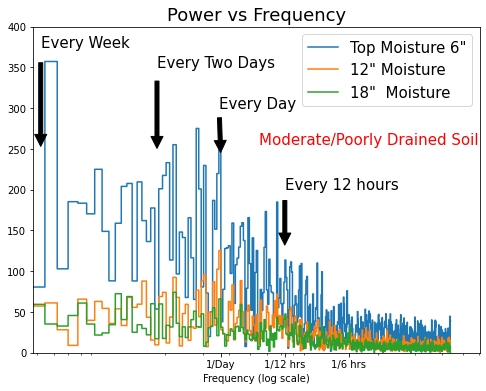
Soil Water Drainage Assessment Using Fast Fourier Transform
Project Description & Application
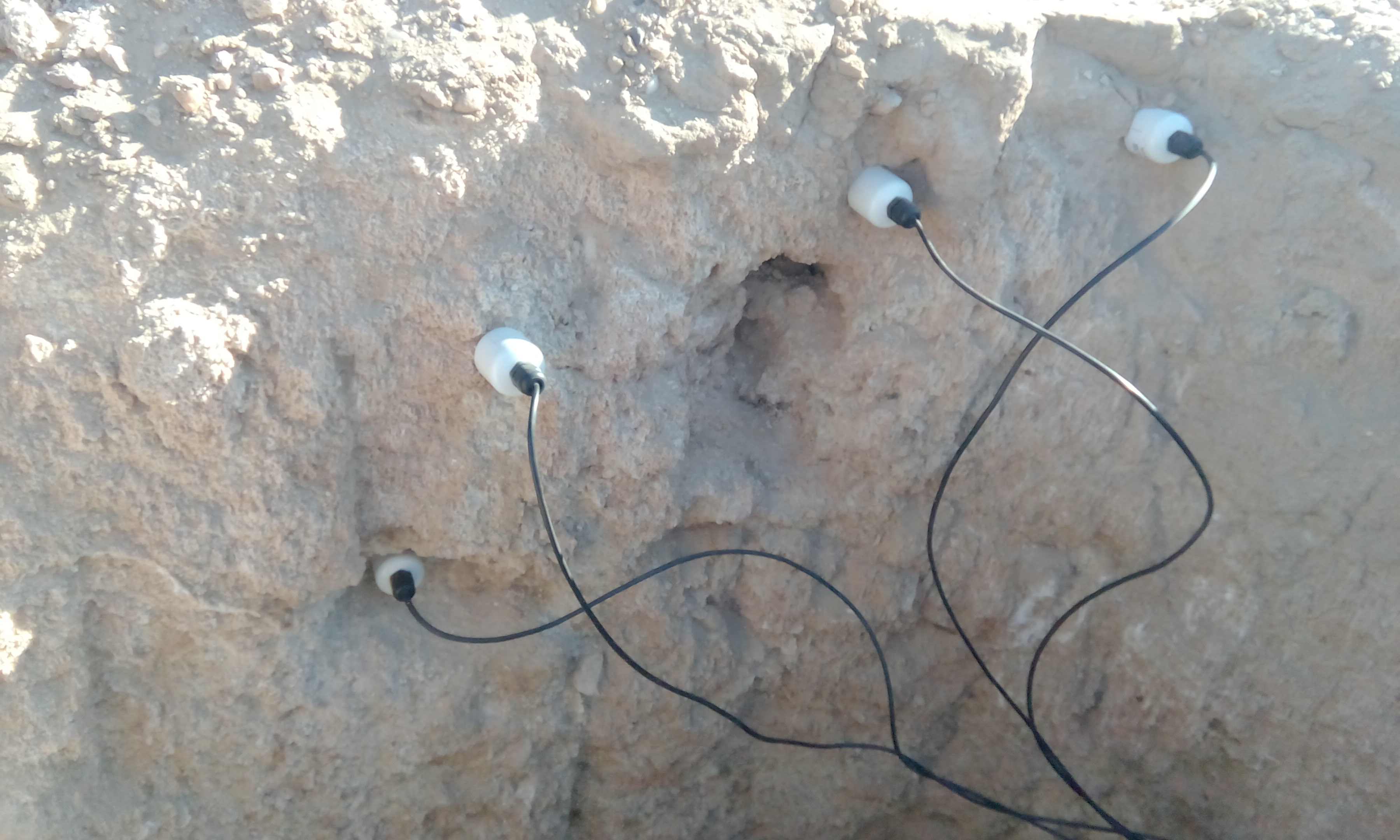
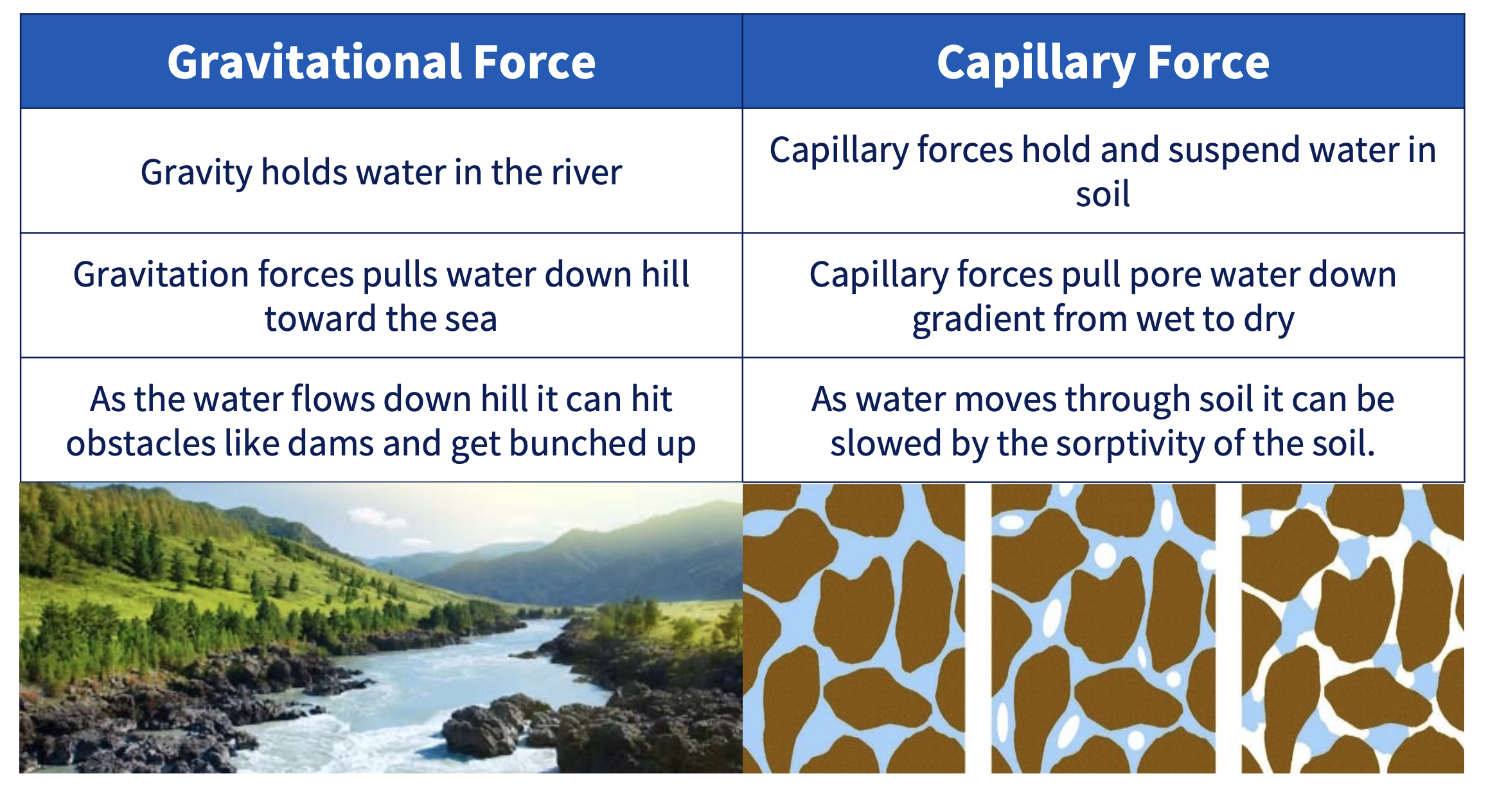
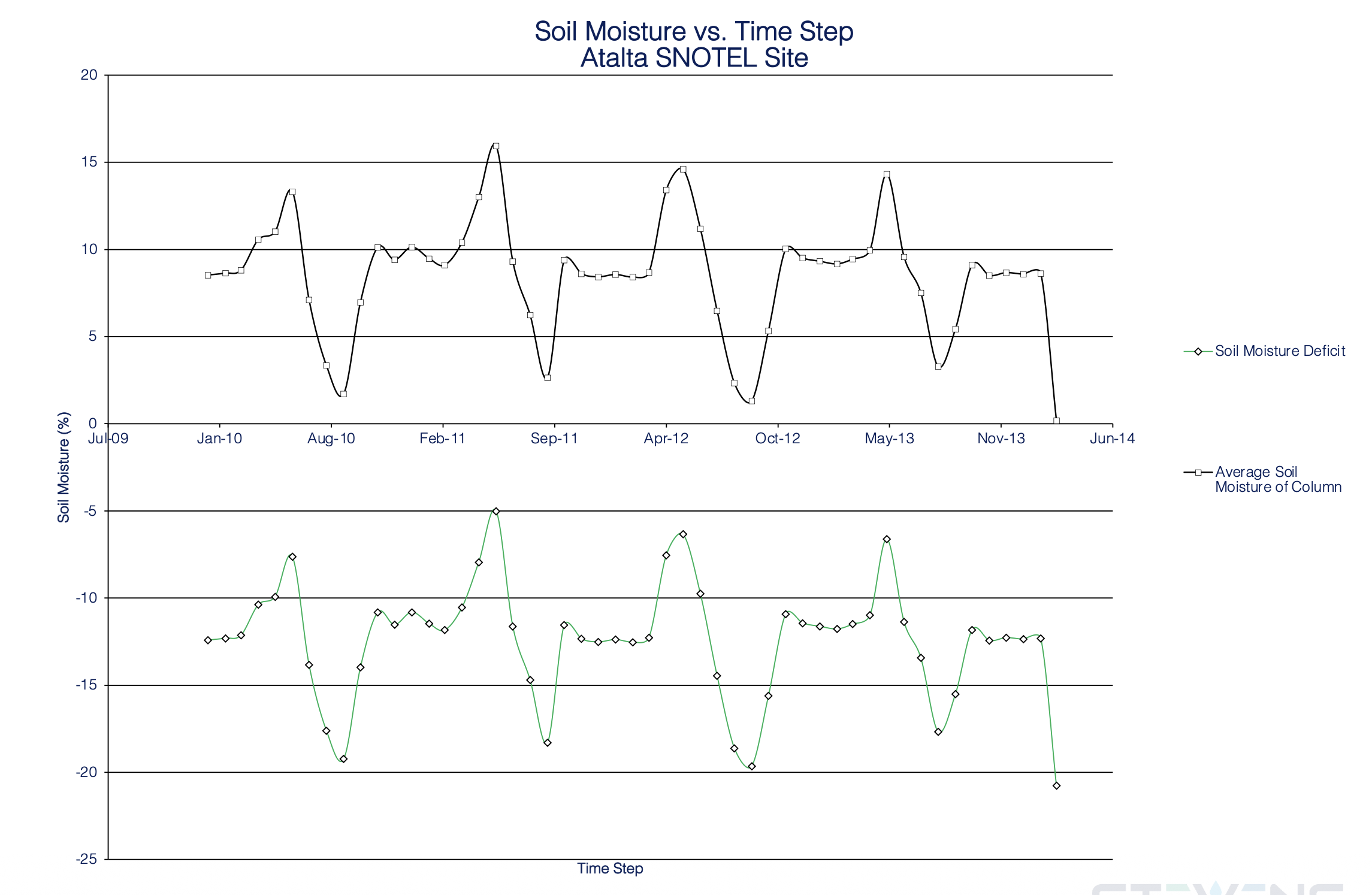
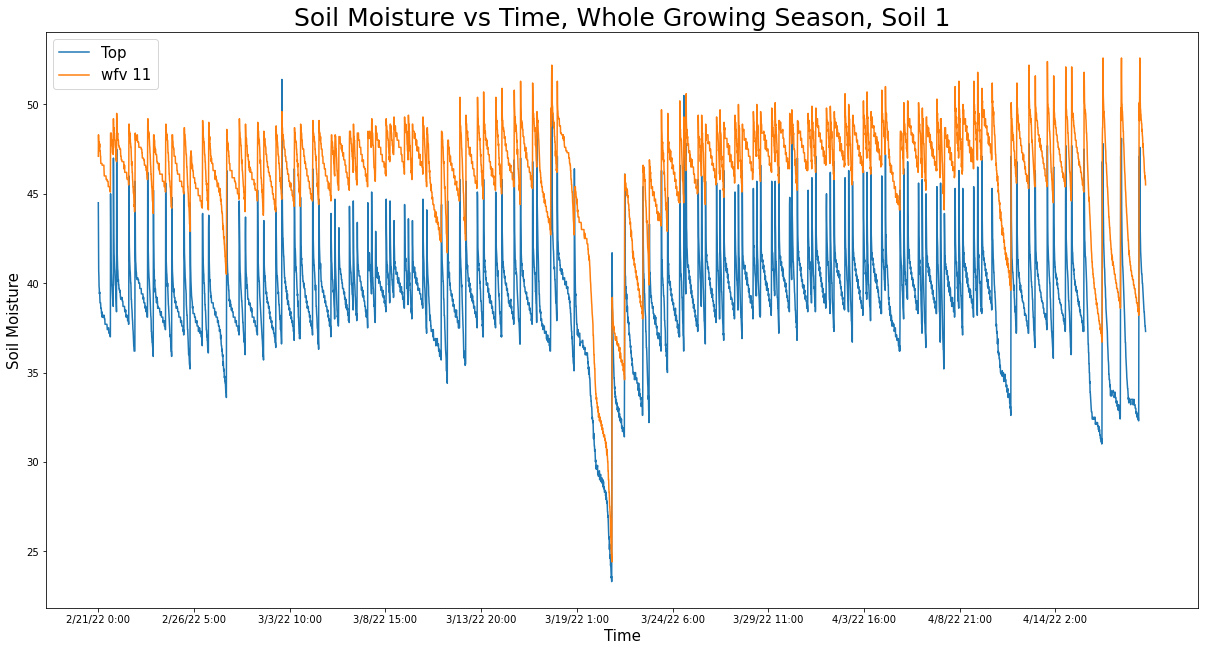
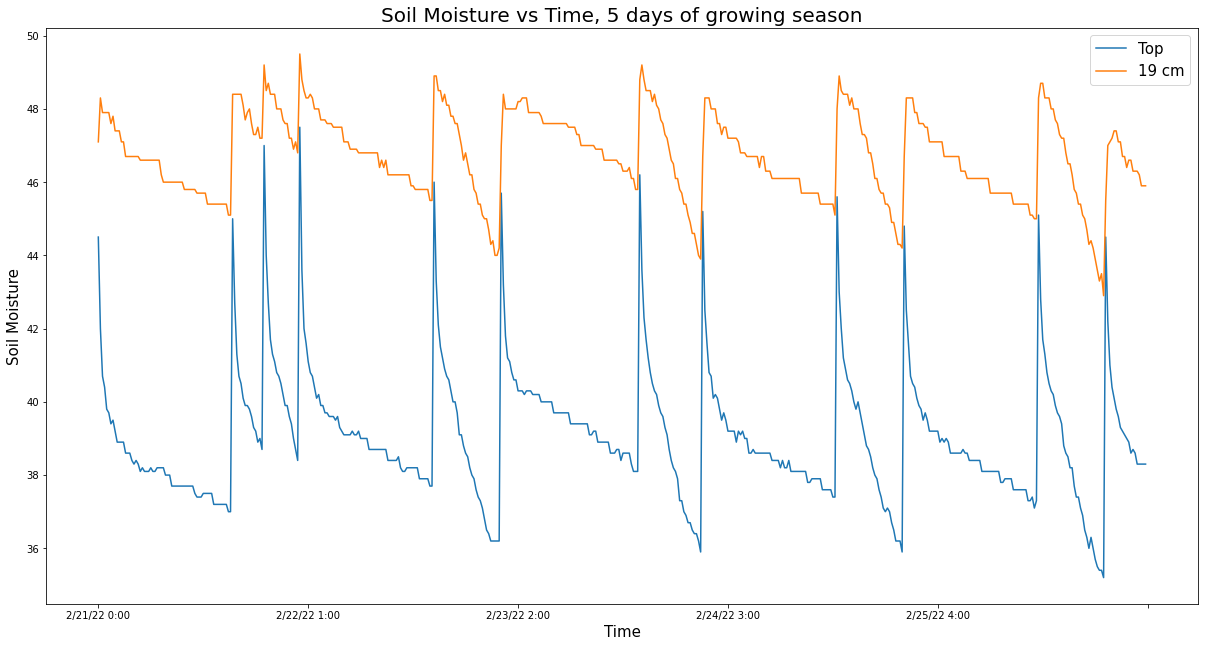
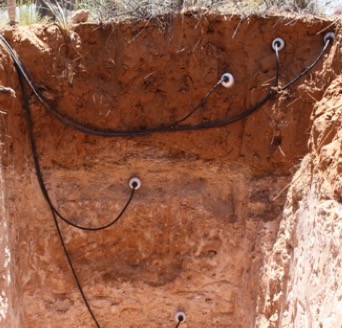
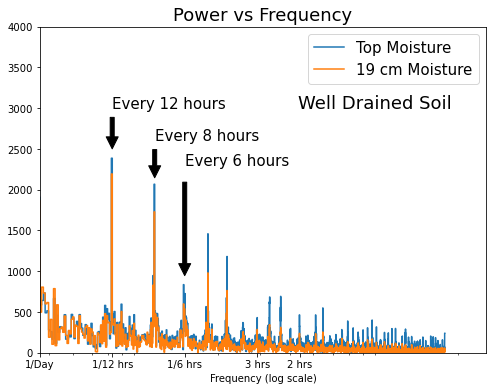
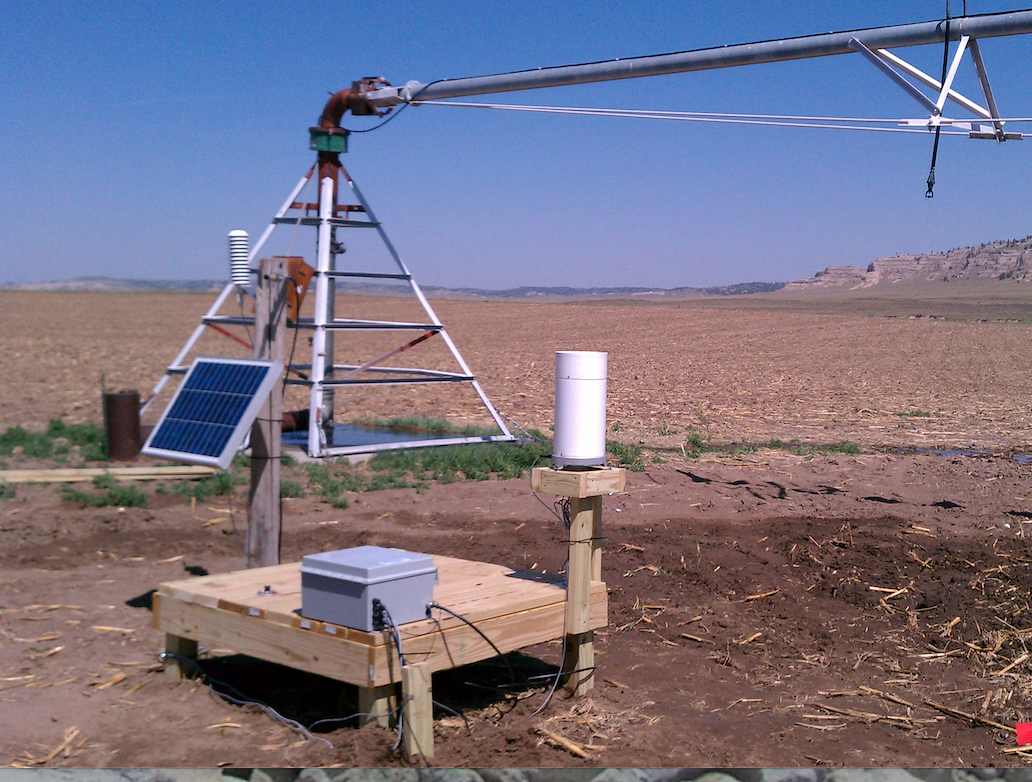
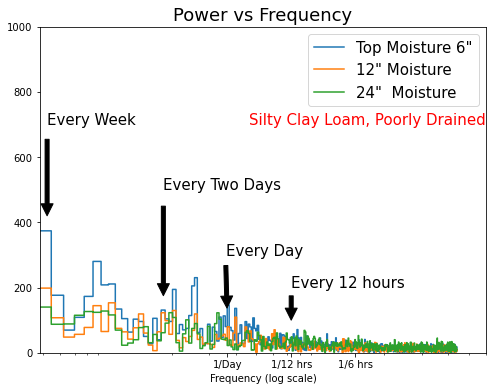
Developed a Fast Fourier Transform algorithm for analyzing time-series soil moisture data to identify drainage and over-irrigation at multiple soil depths. The work addressed agricultural runoff associated with dairy and swine operations and fertigation of row crops, with the objective of demonstrating water distribution without excessive drainage and supporting regulatory applications.
Commercial Application
Sales of monitoring stations with soil sensors to fertigation delivery system manufacturers.
Project Documents
Photo Gallery
Irrigation Management Using Machine Learning Regressors of Aggregated Soil Moisture Data from a Single Growing Season
Project Description & Application
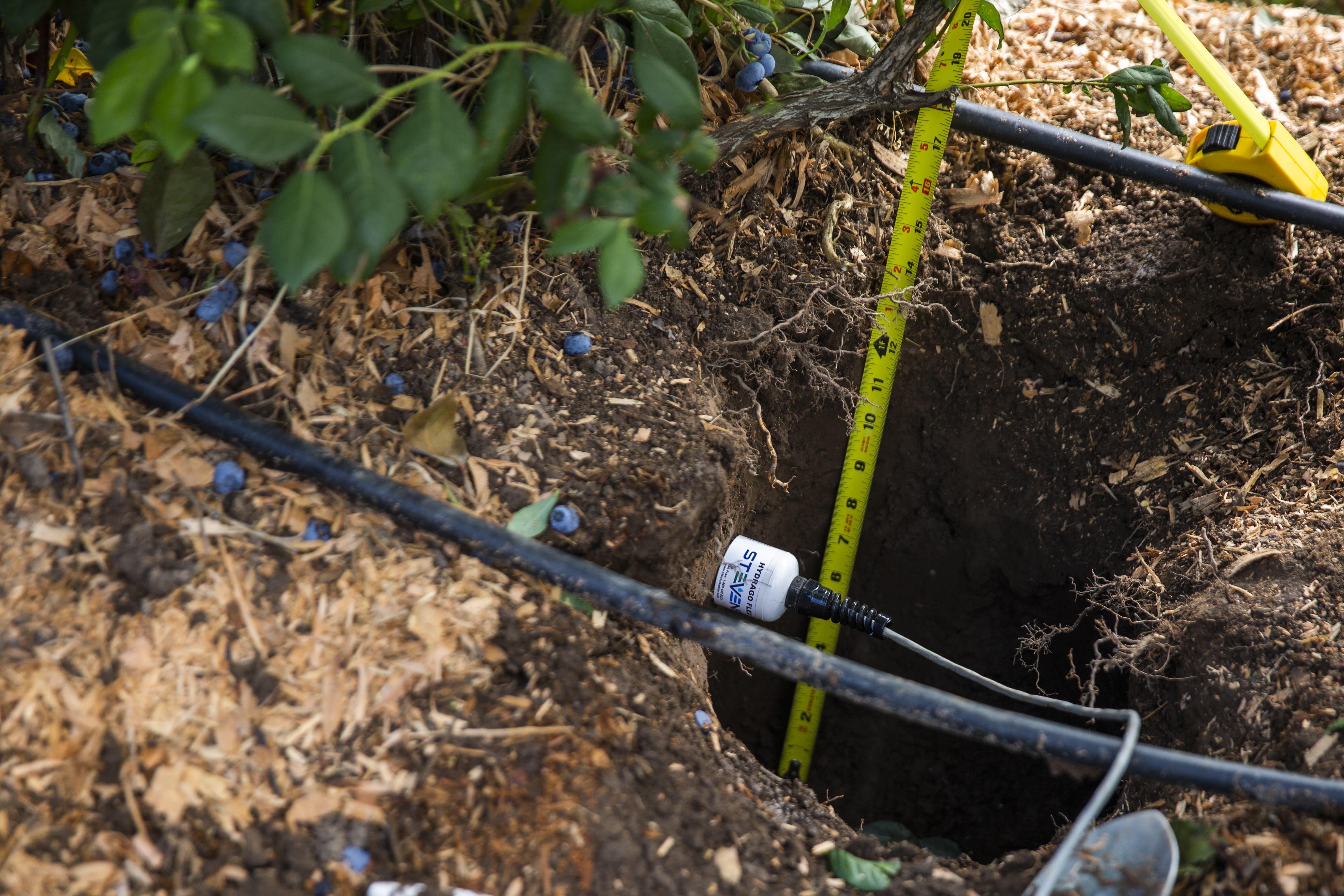
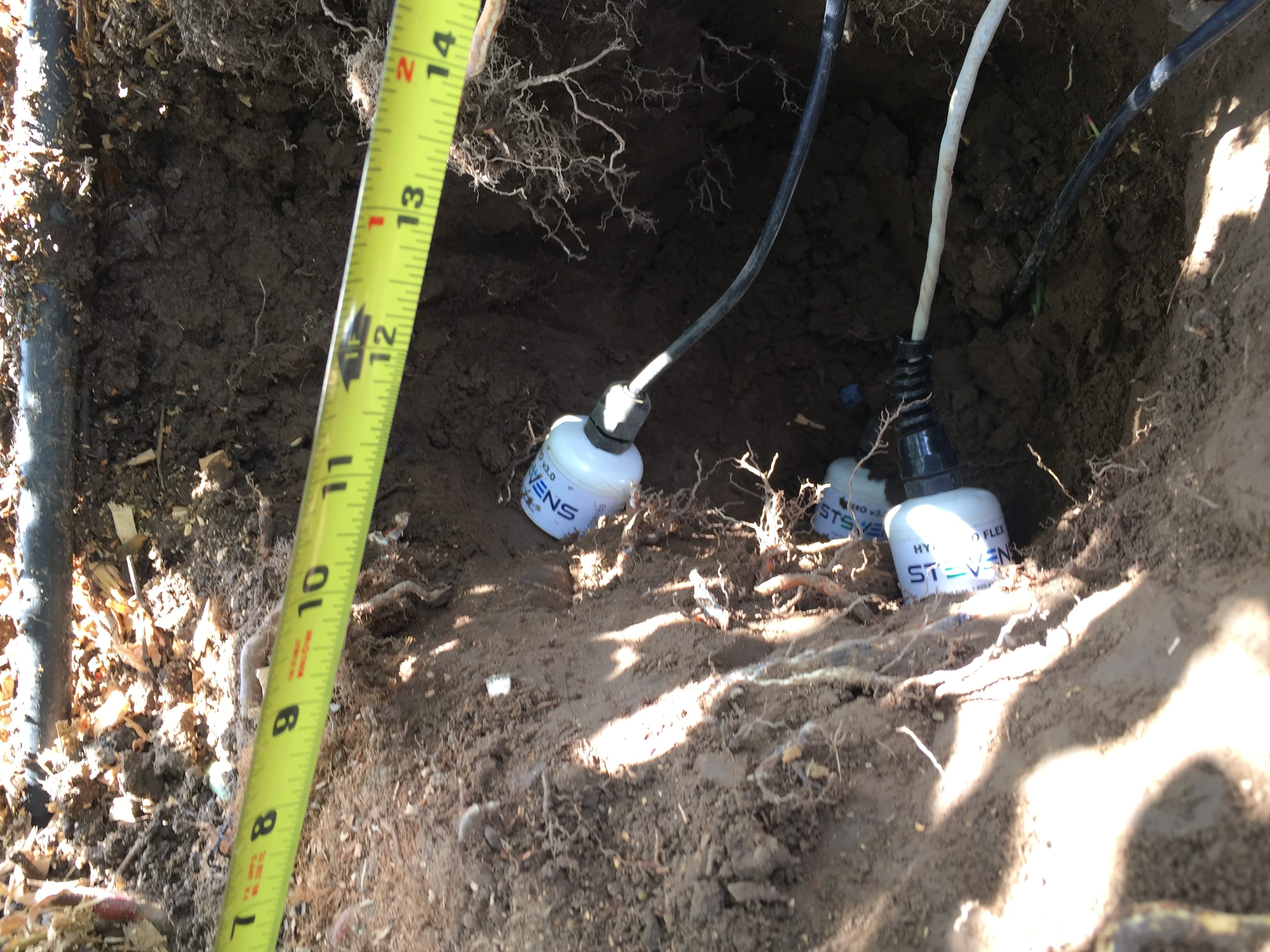
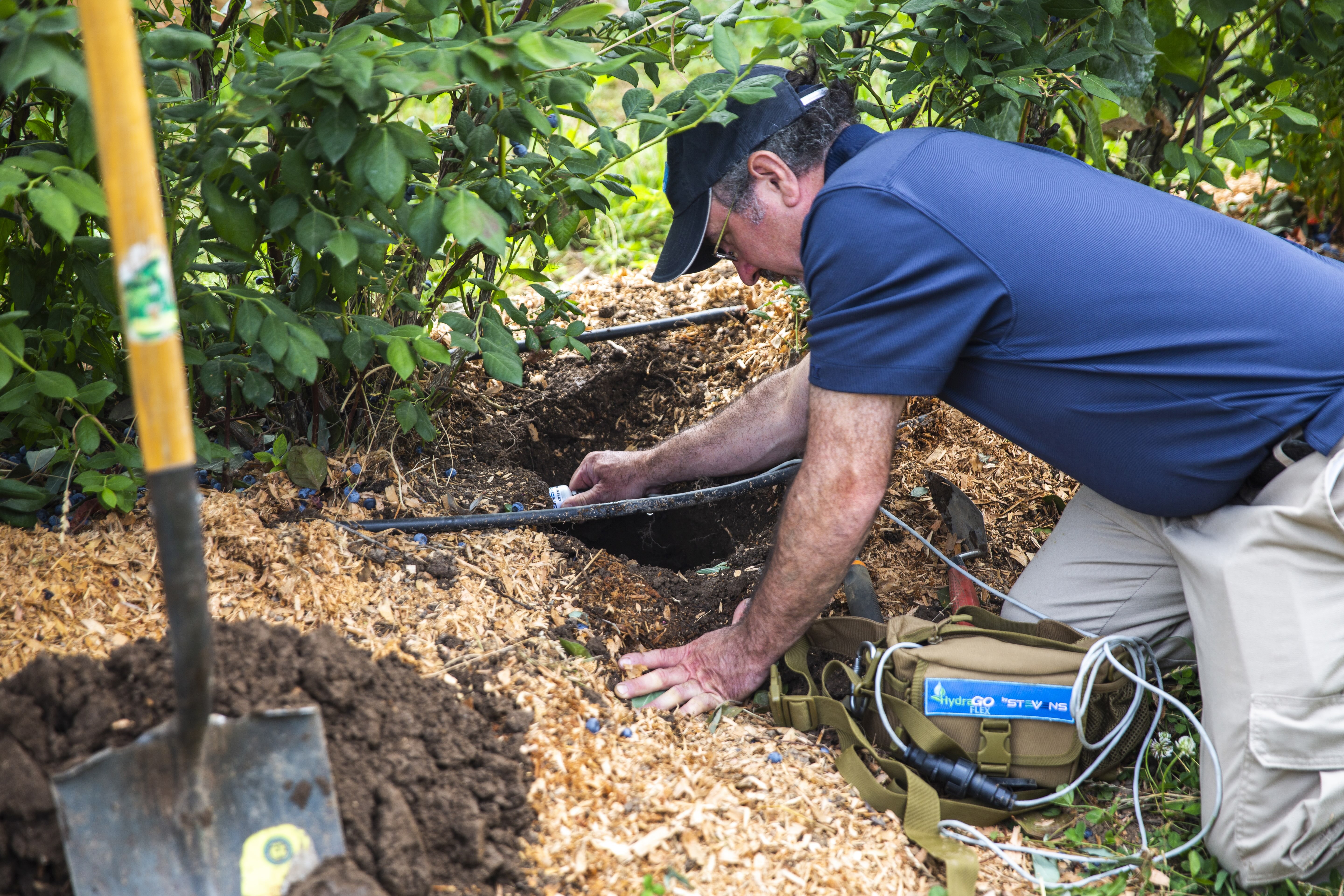
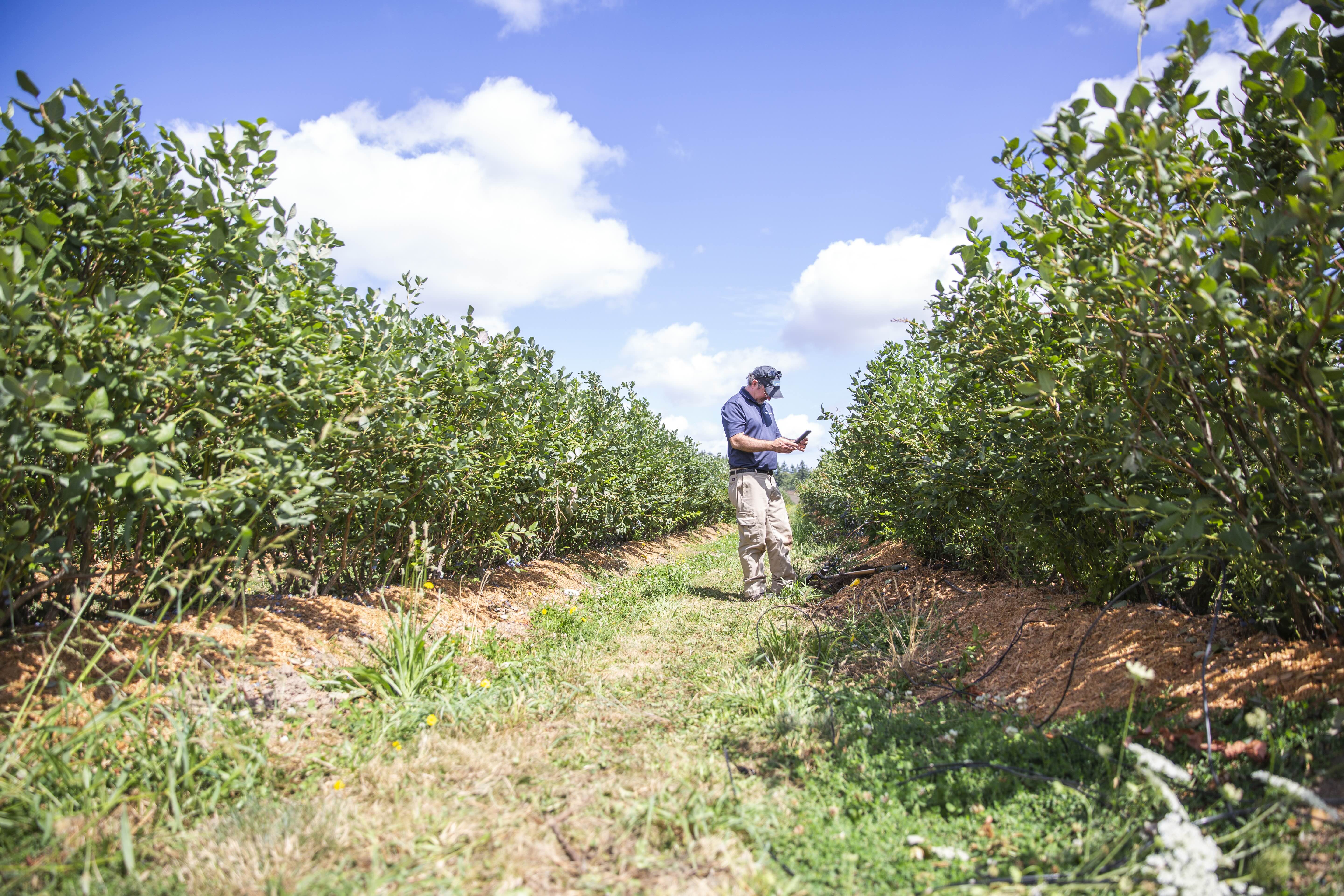
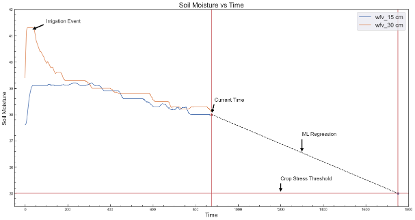
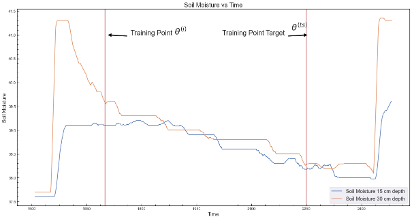
Developed and tested a machine-learning approach for irrigation management using aggregated soil moisture measurements from a single blueberry growing season combined with publicly available evapotranspiration data. The approach predicts likely crop water stress and has the potential to reduce the number of sensors and equipment required for irrigation monitoring.
Commercial Application
Sales of monitoring stations with soil sensors and cloud services to agricultural equipment dealers.
Project Documents
Photo Gallery

New Machine Learning Method for Determining Soil Salinity Using Time Domain Reflectometry (TDR)
Project Description & Application
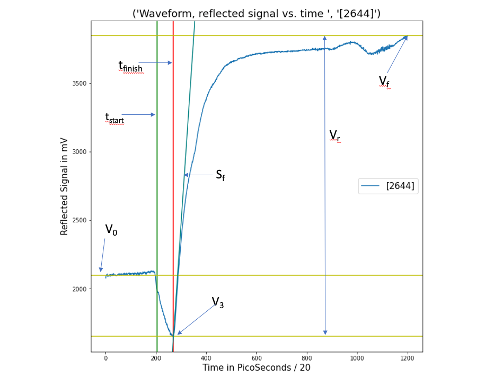
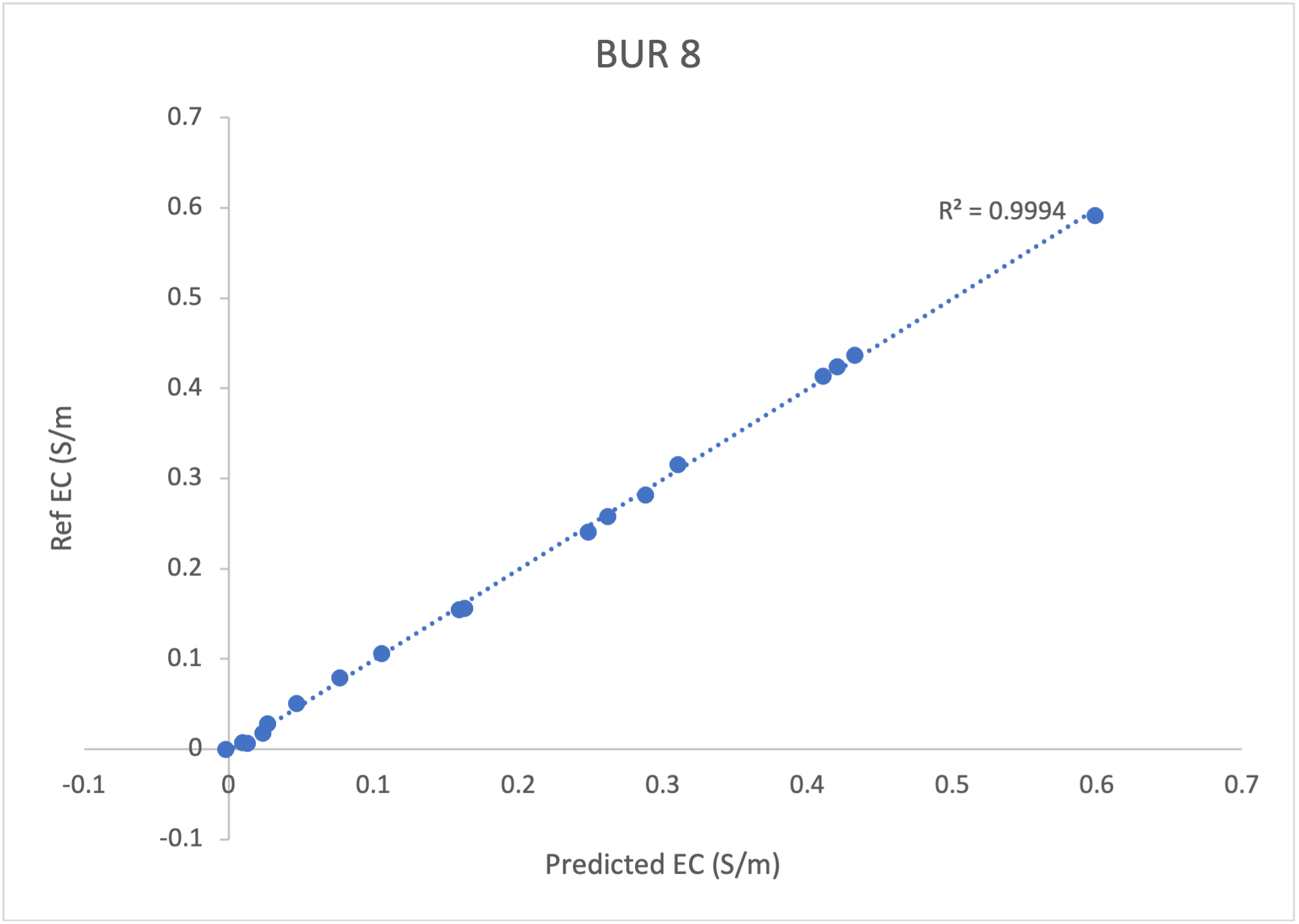
Developed a machine-learning method for estimating soil salinity from electrical signals generated by Time Domain Reflectometry. Python was used to isolate key signal features correlated with soil properties, which were then evaluated using machine-learning regressors and training data. The work extends TDR applications beyond soil moisture measurement to soil salinity and has applications in agriculture, geotechnical monitoring, and environmental assessment.
Commercial Application
Sales of Time Domain Reflectometry soil sensors.
Project Documents
Photo Gallery
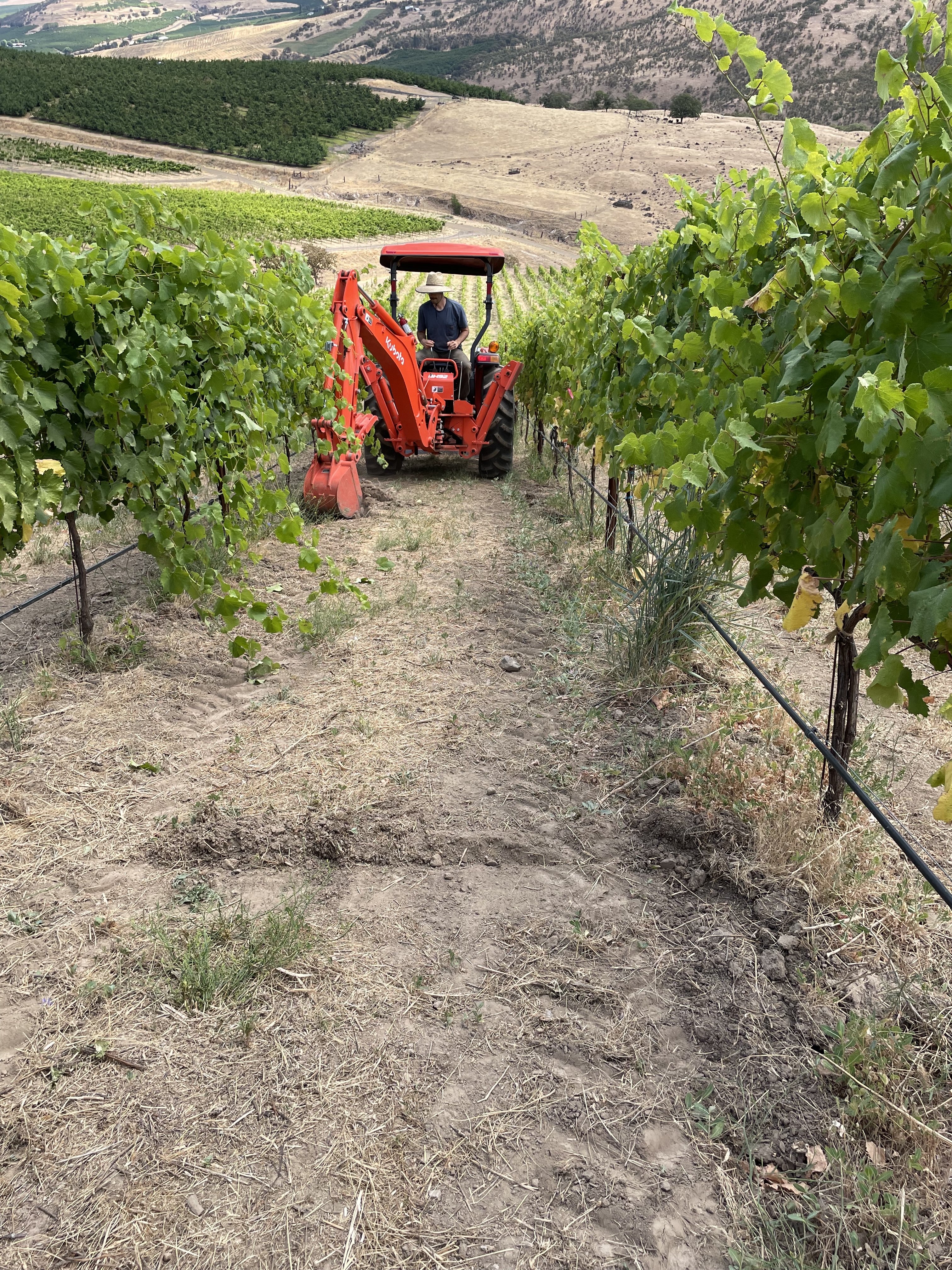
Deployment of Landslide Risk Detection Systems in SE Asia
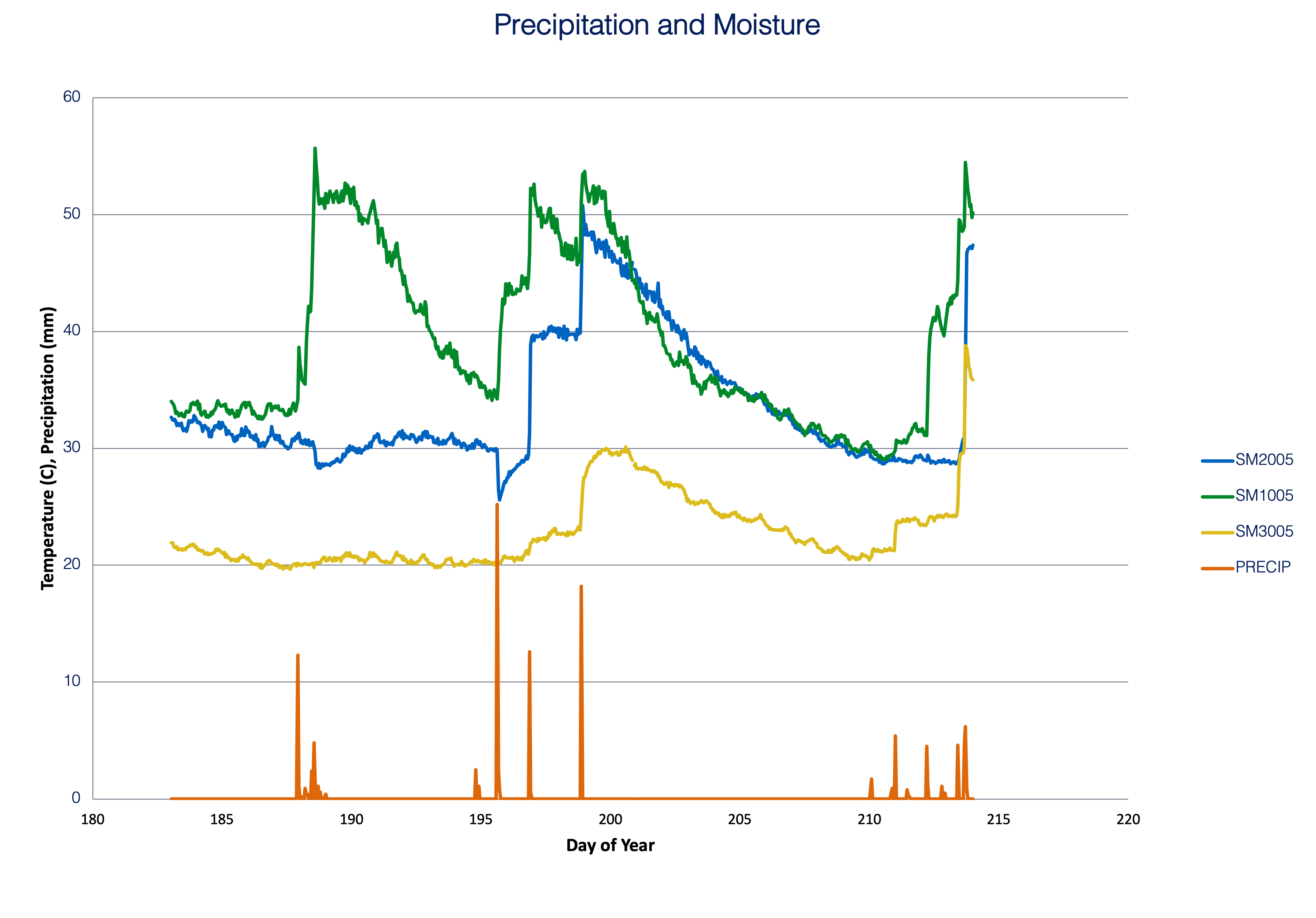
Project Description & Application
Examined real-time soil hydraulic monitoring for landslide risk detection. Soil hydraulic head can serve as a dynamic parameter related to water content and the water table, while soil stability represents a more static component of slope behavior. The project investigated hill-slope monitoring for real-time "now-cast" warning systems and applications for governments addressing landslide risk in Southeast Asia.
Commercial Application
Sales of monitoring stations with soil sensors and cloud services to distributors and government safety programs.
Project Documents
Method for Determining Plant Water Stress in Stormwater Runoff Rain Gardens
Project Description & Application
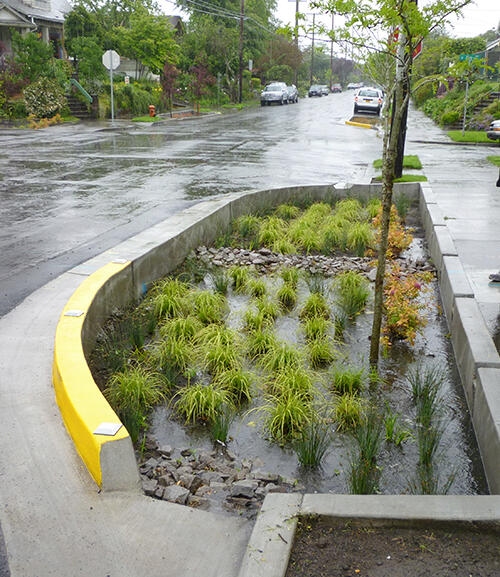
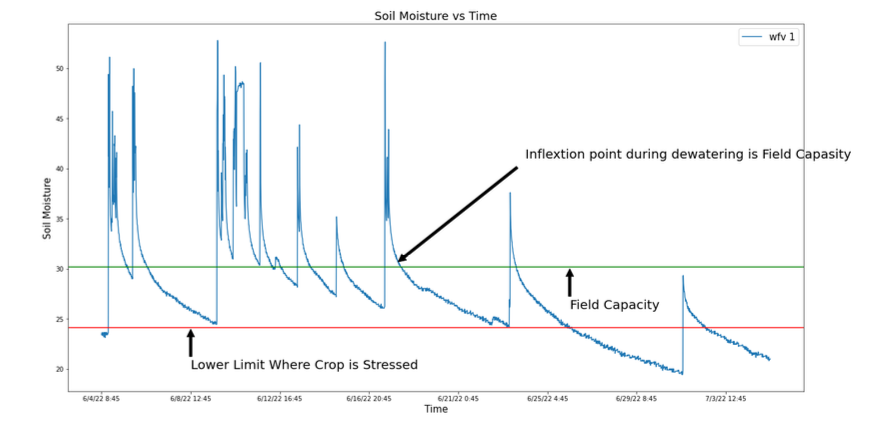
Developed a sensor-based method for identifying plant water stress in stormwater rain gardens. Rain gardens are designed to filter runoff, but summer plant stress can require municipalities to use water trucks for irrigation. Time-series soil moisture measurements can be used to identify stress thresholds and support data-driven irrigation decisions with the potential to reduce water use.
Commercial Application
Sales of monitoring stations with soil sensors and cloud services to municipalities.
Project Documents
Photo Gallery
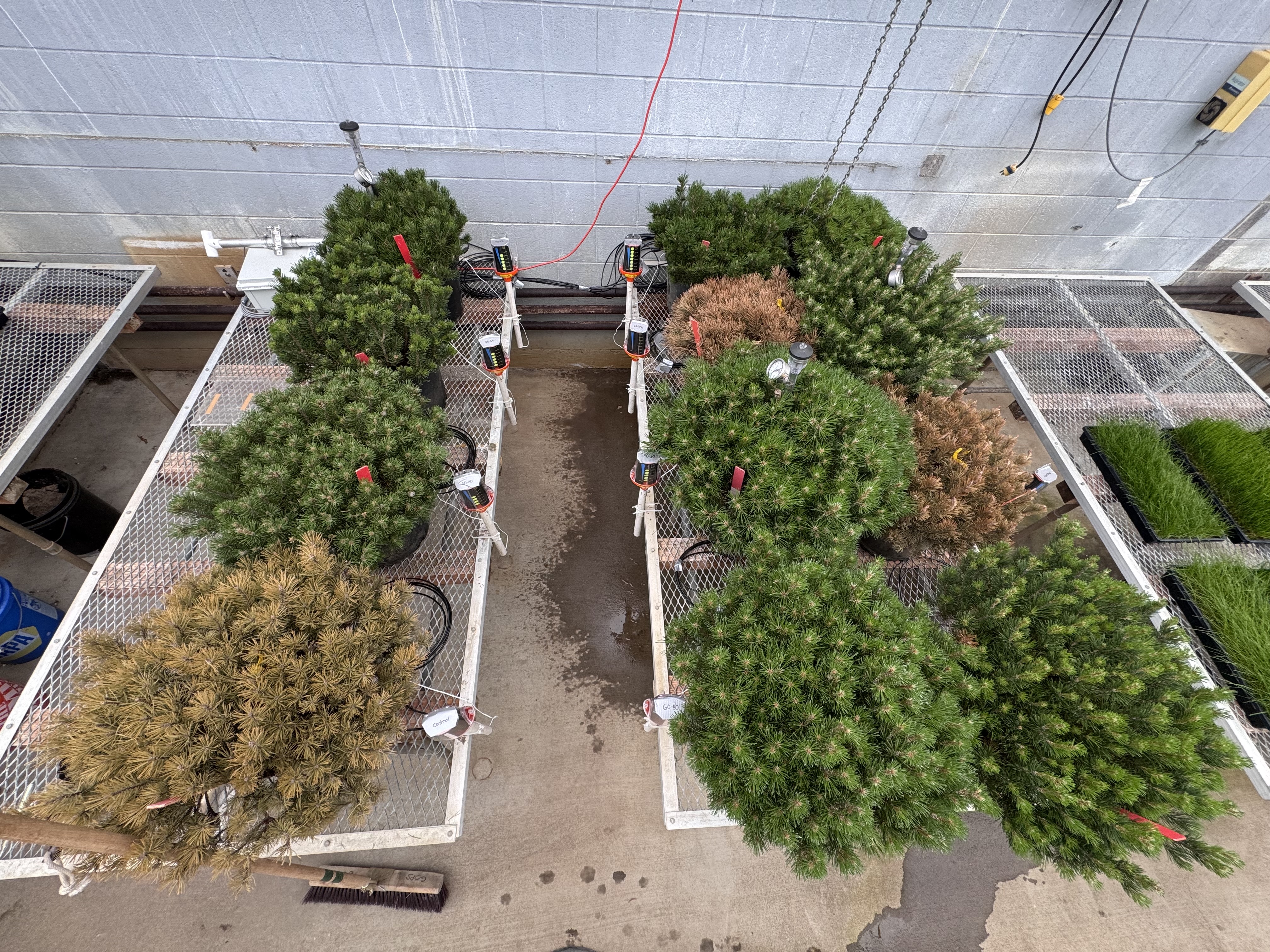
Oregon State University Study Explores Irrigation Optimization for Greenhouse-Grown Evergreen Ornamentals Using New Plant Stress Indicators
Project Description & Application
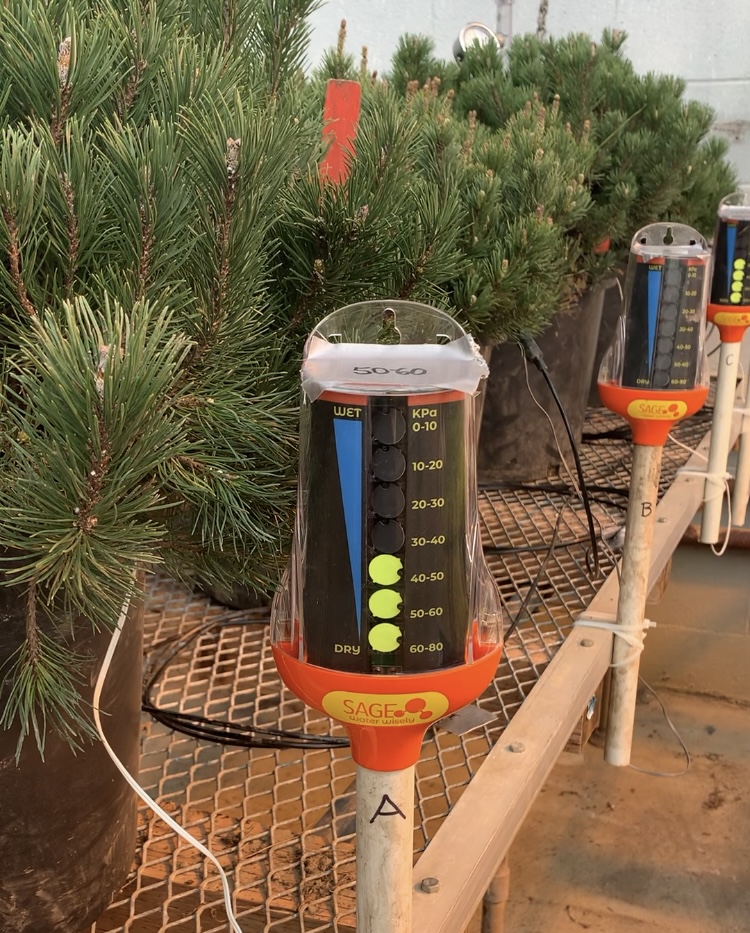
Supported a study defining drought-stress thresholds for greenhouse ornamentals and evaluating SAGE as a visual indicator of plant water status. The goal was to provide commercial nurseries with a practical method for identifying plant stress and managing irrigation at the individual-plant level before distribution.
Commercial Application
Sales of SAGE products to wholesalers.
Project Documents
Photo Gallery
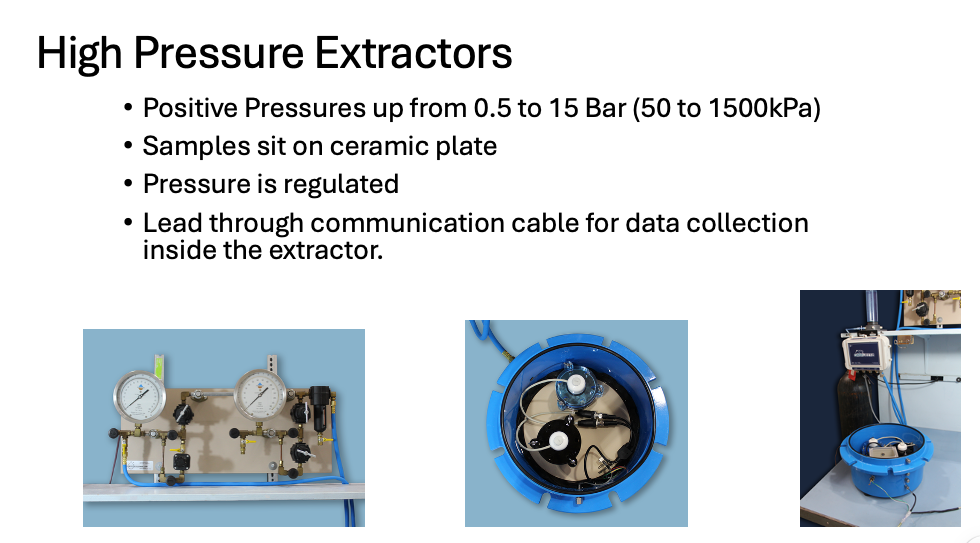
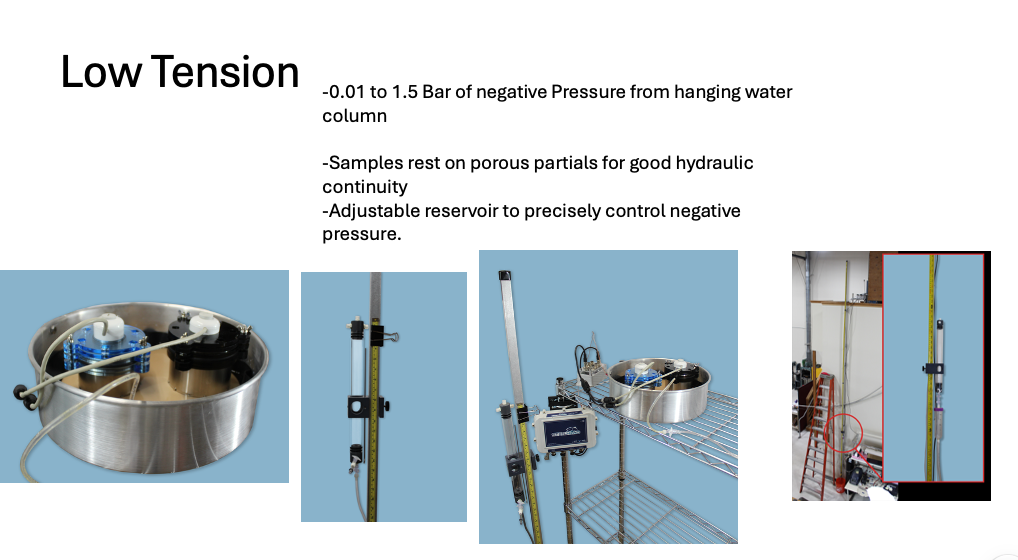
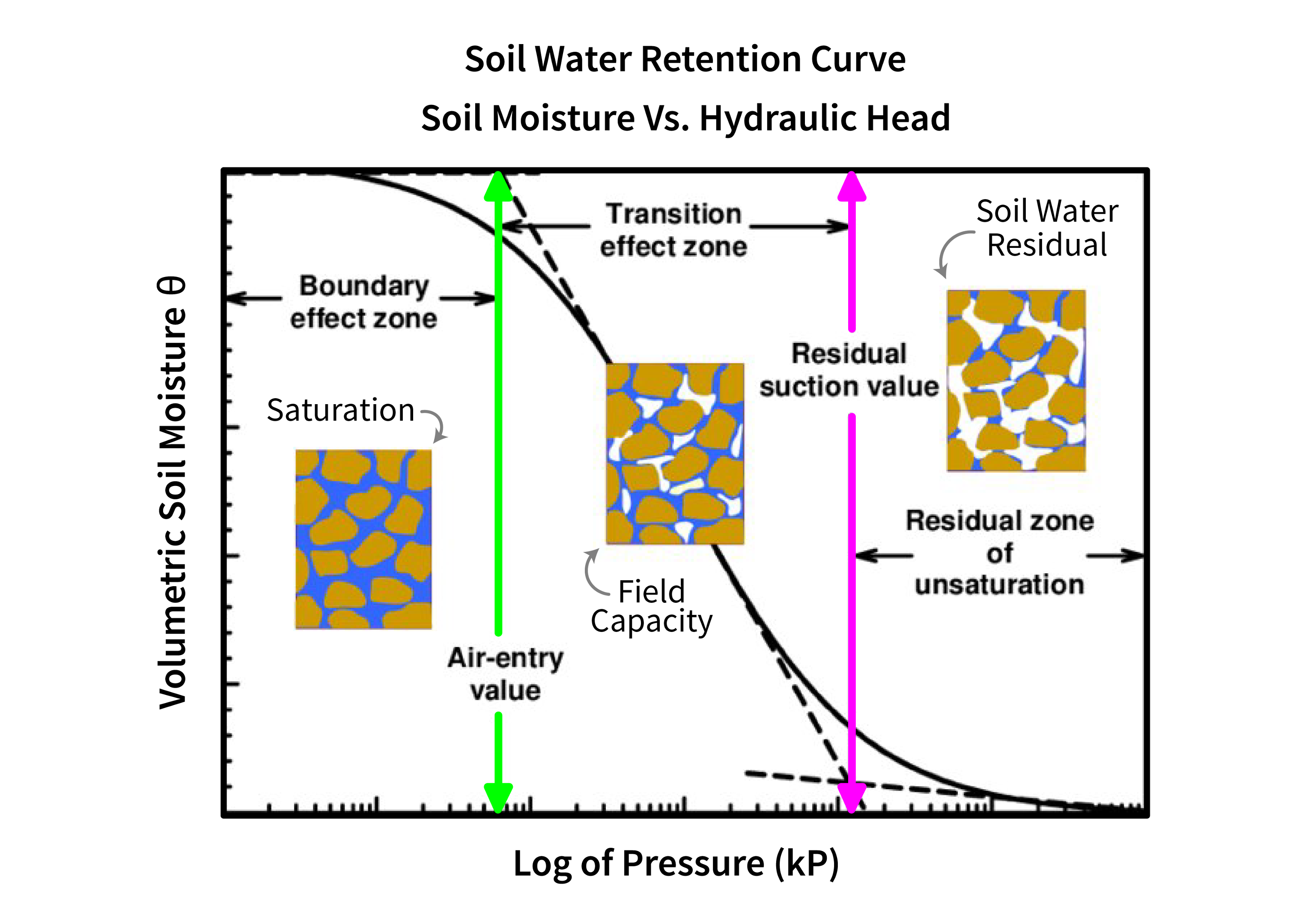
Commercial Water Retention Curve Laboratory for ASTM D6836-16 Using Real-Time Monitoring
Project Description & Application
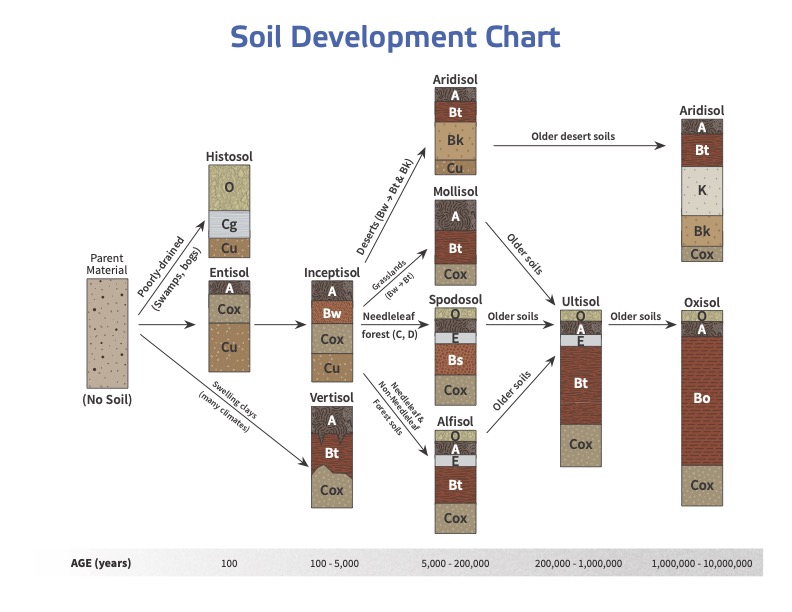
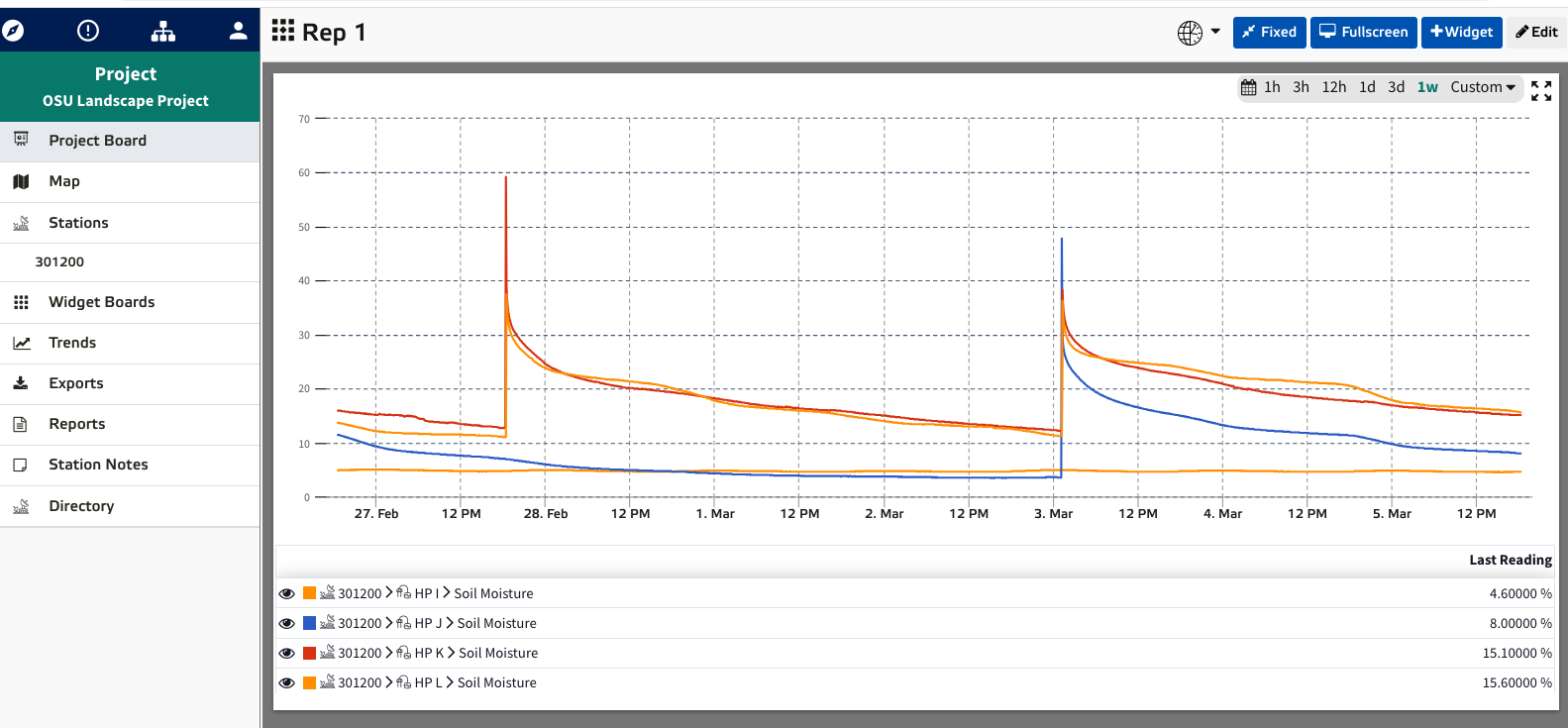
Developed and piloted a commercial laboratory approach for measuring soil water retention curves using real-time monitoring. Soil water retention curves describe the relationship between water content and the pressure required to remove water from soil. Applications include irrigation, drainage, water supply, landslide assessment, flood management, and wildfire research. Sensors placed inside soil samples during pressurization can provide real-time measurements, potentially reducing testing time and error while making the resulting data more useful for commercial applications.
Commercial Application
Sales of soil sensors, soil water retention curve laboratory equipment, and testing services to governmental water-resource authorities.
Project Documents
Photo Gallery